• Steel Solutions
    • Pipe and Tube Supply
      • Used Steel Pipe
      • New Surplus Pipe
    • Tanker Shell Culverts
    • Pumps & Pump Controls
  • Resources
    • Quotes
    • Specials
    • Blog
  • About Us
    • Industries We Serve
      • Agriculture
    • Areas We Serve
      • Arkansas
      • Illinois
      • Louisiana
      • Missouri
  • Contact
  • Menu Menu

The Role of Culvert Design in Stormwater Management

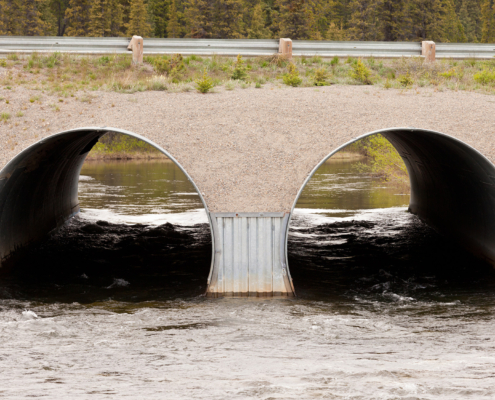
One of the most efficient ways to manage stormwater is through the use of tanker shell culverts. Culverts help channel water safely beneath roads, driveways, and other construction zones, ensuring the stability and longevity of the infrastructure. This blog will explore the role of culvert design in stormwater management, the benefits of using tanker shell culverts, and the challenges posed by varying weather conditions.

Understanding Stormwater Management Processes

Stormwater management refers to the techniques and systems used to control, direct, and treat runoff water from rainfall or snowmelt. Without proper management, stormwater can lead to several problems, such as flooding, erosion, and water contamination. In urban areas, where natural ground absorption is often limited due to paved roads, buildings, and other hard surfaces, the need for effective stormwater systems becomes even more critical.

By allowing water to flow beneath roads, driveways, and other structures, culverts prevent surface water from accumulating and causing potential damage. These structures are designed to handle large volumes of water, ensuring that stormwater is efficiently channeled away from high-traffic areas and toward appropriate drainage zones.

The Function of Tanker Shell Culverts in Stormwater Management

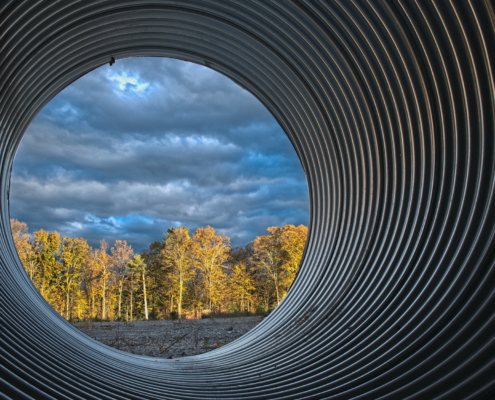
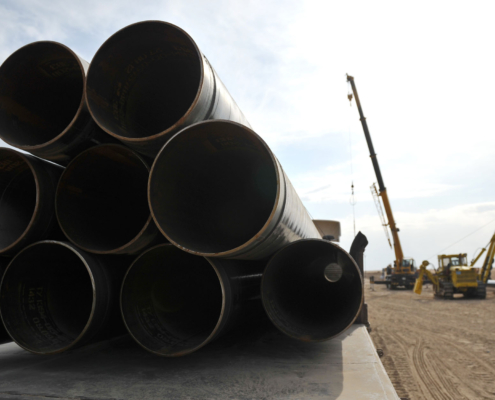
Tanker shell culverts are a specific type of culvert designed for high durability and functionality in stormwater management systems. Typically made from steel or other heavy-duty materials, these culverts are built to withstand large water flows and heavy loads, making them ideal for use under roads, bridges, and driveways. Their shell-like design enhances their structural integrity, allowing them to manage stormwater runoff while minimizing the risk of collapse or damage over time.

Here’s how tanker shells contribute to stormwater management:

Preventing Flooding

During periods of heavy rainfall, surface water can accumulate rapidly, especially in low-lying areas. Culverts allow this water to pass beneath roads and other infrastructure, directing it toward drainage ditches, streams, or retention ponds. By keeping water moving, culverts help prevent flooding that could otherwise cause significant property damage and disrupt traffic.

Erosion Control

When water is not properly channeled, it can erode soil and compromise the stability of roads, driveways, and foundations. By using culverts to guide water through designated channels, the risk of erosion is minimized, protecting both the infrastructure and the surrounding landscape.

Durability in High-Load Areas

Tanker shell culverts are designed to withstand the weight of vehicles passing over them, making them ideal for placement under roads and driveways. Their durable construction ensures that they can handle heavy loads without collapsing or deforming, even in areas with high traffic volume. This is especially important in construction zones, where equipment and vehicles may frequently travel over the culverts.

Adaptability to Different Terrains

Tanker shells can be customized in size and shape to accommodate a construction project’s unique needs. Whether the terrain is flat or sloped or the project requires the culvert to handle a high volume of water in a short period, culverts offer the flexibility needed to manage stormwater in a variety of conditions.

Weather’s Impact on Stormwater Management

Different weather patterns throughout the year present challenges for stormwater management systems. From heavy rains in the spring to snowmelt in the winter, culvert systems must be designed to handle varying amounts of water and debris without becoming overwhelmed. Here’s how different weather conditions can affect stormwater management and how culverts help mitigate these challenges:

Spring: Heavy Rainfall and Flooding

Spring is often associated with increased rainfall, which can overwhelm drainage systems if not properly managed. In areas prone to heavy spring rains, culverts need to be capable of handling large volumes of water in a short amount of time. Culverts are ideal for managing sudden surges in stormwater runoff. They allow water to pass through quickly and efficiently, preventing surface flooding that could otherwise damage roads and infrastructure.

Summer: Storms and Erosion

Thunderstorms and heavy rain events during the summer months can create significant runoff. Without proper stormwater management, this can lead to erosion around the foundations of structures and along roadsides. Tanker shells channel stormwater away from these vulnerable areas, preventing soil from washing away and reducing the risk of infrastructure damage. Their ability to handle large quantities of water helps keep construction zones safe and functional even during intense summer storms.

Fall: Managing Leaf Debris and Runoff

Leaves and other debris can clog stormwater systems in the fall, reducing their effectiveness. Stormwater culverts, however, are designed to manage water and debris that might accumulate during this time of year. By incorporating screens or other protective elements, this piping can help prevent blockages that could otherwise lead to flooding or erosion. Proper maintenance during the fall ensures culverts continue to function effectively, even when dealing with heavy debris loads.

Winter: Snowmelt and Freezing Conditions

Snow and ice can accumulate throughout the colder months, only to melt rapidly during warmer spells. This sudden influx of water can overwhelm drainage systems, especially if the ground is frozen and cannot absorb moisture. Culvert systems are designed to manage the flow of snowmelt, directing water away from roads and other infrastructure. Additionally, their steel construction is resistant to freezing conditions, ensuring they remain functional even when temperatures drop.

In colder climates, ice buildup within culverts can become a concern. However, with proper design and the use of culverts, water is less likely to freeze inside the culvert due to continuous flow. This keeps stormwater systems operational throughout winter, reducing the risk of ice dams and flooding.

Proper Culvert Design in Different Weather Conditions

While culvert systems offer many advantages in stormwater management, their effectiveness depends heavily on design. Inadequately sized or poorly placed culverts can lead to blockages, overflow, and increased maintenance costs. Proper culvert design considers several factors, including:

  • Water Flow Rates: The culvert must be able to handle the expected volume of water, particularly during peak storm events.
  • Terrain: The slope and elevation of the terrain influence how water flows through the culvert.
  • Debris Management: Incorporating features like screens or debris grates can help prevent blockages from leaves, branches, or other debris.
  • Maintenance Accessibility: Designing culverts that are easy to access for inspection and maintenance ensures their longevity and effectiveness.

Environmental Considerations for Culvert Design

Properly designed culverts help prevent the contamination of nearby water sources by directing stormwater away from sensitive areas. Tanker shells can be designed to allow for fish and wildlife passage in certain areas, helping to maintain local ecosystems.

Now that you know culvert systems are great for stormwater management, be sure to check out this guide to be the right type of piping.

Buying Culvert Pipe

Sustainability and Long-Term Benefits of Culvert Design

In stormwater management, tanker shell culverts are vital for immediate infrastructure needs and play a significant role in sustainable construction practices.

Environmental Impact of Culvert Systems

Stormwater runoff can carry pollutants, sediments, and debris into natural water systems, harming ecosystems and wildlife. Poorly managed stormwater can also erode riverbanks, wash away soil, and disrupt habitats. When designed with sustainability in mind, tanker shell culverts help reduce these effects by controlling the flow of water, directing it to safe areas, and reducing the impact on surrounding landscapes.

Durability and Longevity of Materials

Culverts are constructed from durable materials such as steel or concrete, which are designed to withstand the test of time. This durability allows them to remain effective over the long term, reducing the need for frequent repairs or replacements. Steel culverts, for example, offer excellent resistance to corrosion and rust when properly treated, making them ideal for long-term infrastructure projects.

Cost Savings Through Reduced Maintenance

Poorly designed culverts can quickly become clogged with debris, leading to overflow, flooding, and damage to surrounding infrastructure. Regular maintenance and repairs can be costly and time-consuming. However, a well-designed culvert system is engineered to minimize blockages and withstand the pressure of heavy stormwater, reducing the need for ongoing maintenance.

Properly functioning culverts also protect infrastructure from damage caused by stormwater runoff. Roads, bridges, and buildings safeguarded by effective culvert systems are less likely to suffer from water-related damage, which can lead to expensive repairs and delays in construction or transportation projects.

Future-Proofing Infrastructure

Sustainability in culvert design goes beyond environmental concerns—it also addresses the long-term functionality of infrastructure. With growing urbanization and the increasing frequency of extreme weather events, designing stormwater management systems that can handle future demands is essential. Culverts help ensure that infrastructure remains reliable even in the face of future challenges.

Employ Proper Stormwater Management Through the Use of Culvert Design With the Help of SPP

Our tanker shell culverts help prevent flooding, erosion, and infrastructure damage by efficiently directing runoff in diverse weather conditions. Trust Steel Pipe Pros to provide durable and sustainable systems that protect your property and the environment, supporting long-term resilience and operational efficiency. Get started today!

Share This Post

  • Share on Facebook
  • Share on X
  • Share on Pinterest
  • Share on LinkedIn
  • Share on Tumblr
  • Share on Vk
  • Share on Reddit
  • Share by Mail

More Like This

8 Steps to Choosing the Right Agricultural Piping Supplier for Your Farm’s Needs

Industries, Steel Pipe
https://steelpipepros.com/wp-content/uploads/2025/11/8-Steps-to-Choosing-the-Right-Agricultural-Piping-Supplier-for-Your-Farms-Needs.jpg 1250 2000 Abstrakt Marketing /wp-content/uploads/2023/10/Steel-Pipe-Pros-Logo-1.svg Abstrakt Marketing2025-11-12 10:51:342026-08-13 11:01:488 Steps to Choosing the Right Agricultural Piping Supplier for Your Farm’s Needs
Irrigation system on farm

Culvert Design Considerations for Midwest Farms

Culvert Pipes
https://steelpipepros.com/wp-content/uploads/2025/11/Irrigation-system-on-farm.jpg 1250 2000 Abstrakt Marketing /wp-content/uploads/2023/10/Steel-Pipe-Pros-Logo-1.svg Abstrakt Marketing2025-11-10 13:17:112026-08-13 11:01:49Culvert Design Considerations for Midwest Farms

Buying Used Steel Culvert Pipes: What to Inspect Before You Purchase

Steel Pipe, Used Steel Pipes
https://steelpipepros.com/wp-content/uploads/2025/10/Buying-Used-Steel-Culvert-Pipes_-What-to-Inspect-Before-You-Purchase.jpg 1250 2000 Abstrakt Marketing /wp-content/uploads/2023/10/Steel-Pipe-Pros-Logo-1.svg Abstrakt Marketing2025-10-10 11:29:392026-08-13 11:01:49Buying Used Steel Culvert Pipes: What to Inspect Before You Purchase

Tips for Effective Stormwater Management: Culvert Design 

Tanker Shell Culverts
https://steelpipepros.com/wp-content/uploads/2025/10/Culvert-Design-Tips-for-Effective-Stormwater-Management.jpg 1250 2000 Abstrakt Marketing /wp-content/uploads/2023/10/Steel-Pipe-Pros-Logo-1.svg Abstrakt Marketing2025-10-10 10:58:122026-08-13 11:01:49Tips for Effective Stormwater Management: Culvert Design 

A Guide to Irrigation and Pipe Installation: Best Practices and Tips

Steel Pipe
https://steelpipepros.com/wp-content/uploads/2025/08/A-Guide-to-Irrigation-and-Pipe-Installation_-Best-Practices-and-Tips_.jpg 1250 2000 Abstrakt Marketing /wp-content/uploads/2023/10/Steel-Pipe-Pros-Logo-1.svg Abstrakt Marketing2025-08-12 10:52:492026-08-13 11:01:50A Guide to Irrigation and Pipe Installation: Best Practices and Tips

Exploring Rust Removal Techniques for the Maximum Longevity of Used Steel Pipes

Steel Pipe
https://steelpipepros.com/wp-content/uploads/2025/06/Steel-pipes-with-rust.jpg 1250 2000 Abstrakt Marketing /wp-content/uploads/2023/10/Steel-Pipe-Pros-Logo-1.svg Abstrakt Marketing2025-06-23 10:05:132026-08-13 11:01:51Exploring Rust Removal Techniques for the Maximum Longevity of Used Steel Pipes
Worker measuring steel pipe

Thickness Selection: How to Size Used Steel Pipes for Your Next Project

Steel Pipe, Steel Pipe Selection
https://steelpipepros.com/wp-content/uploads/2025/06/Worker-measuring-steel-pipe-1.jpg 1250 2000 Abstrakt Marketing /wp-content/uploads/2023/10/Steel-Pipe-Pros-Logo-1.svg Abstrakt Marketing2025-06-09 14:26:152026-08-13 11:01:52Thickness Selection: How to Size Used Steel Pipes for Your Next Project
An Overview of Pipe Strength Testing

An Overview of Pipe Strength Testing

Steel Pipe
https://steelpipepros.com/wp-content/uploads/2025/05/An-Overview-of-Pipe-Strength-Testing.jpg 1250 2000 Abstrakt Marketing /wp-content/uploads/2023/10/Steel-Pipe-Pros-Logo-1.svg Abstrakt Marketing2025-05-21 07:53:072026-08-13 11:01:52An Overview of Pipe Strength Testing
Steel pipes stacked on top of each other

Can My Project Use Steel Pipes for Plumbing and Water Supply Support?

Plumbing, Steel Pipe
https://steelpipepros.com/wp-content/uploads/2025/05/Steel-pipes-stacked-on-top-of-each-other.jpg 1250 2000 Abstrakt Marketing /wp-content/uploads/2023/10/Steel-Pipe-Pros-Logo-1.svg Abstrakt Marketing2025-05-20 10:20:082026-08-13 11:01:53Can My Project Use Steel Pipes for Plumbing and Water Supply Support?
Previous Previous Previous Next Next Next

Categories

  • Culvert Pipes
  • Industries
  • Irrigation
  • NRCS
  • NRCS Funding
  • Plumbing
  • Steel Pipe
  • Steel Pipe Purchasing
  • Steel Pipe Selection
  • Tanker Shell Culverts
  • Testing Used Steel
  • Used Steel Pipes

Contact Us

"*" indicates required fields

Location

Address
1536 North Broadway
St. Louis, MO 63102

Get In Touch

Phone
314-325-6181

Email
kyle@steelpipepros.com
brian@steelpipepros.com

Social
LinkedIn

Services

Steel Solutions

Pipe and Tube Supply

Used Steel Pipe

New Surplus Pipe

Tank Shell Culverts

About Us

We are the go-to supplier of steel pipe products and solutions nationwide.

Contact Us
Website by Abstrakt Marketing Group ©
  • Sitemap
  • Privacy Policy
Link to: Reasons to Use Culverts Instead of Shipping Containers for Bunkers Link to: Reasons to Use Culverts Instead of Shipping Containers for Bunkers Reasons to Use Culverts Instead of Shipping Containers for BunkersReasons to Use Culverts Instead of Shipping Containers for Bunkers Link to: The Rural and Agricultural Applications of Culvert Pipes Link to: The Rural and Agricultural Applications of Culvert Pipes industrial large diameter pipesThe Rural and Agricultural Applications of Culvert Pipes
Scroll to top Scroll to top Scroll to top

This site uses cookies. By continuing to browse the site, you are agreeing to our use of cookies.

AcceptLearn more

Cookie and Privacy Settings


How we use cookies

We may request cookies to be set on your device. We use cookies to let us know when you visit our websites, how you interact with us, to enrich your user experience, and to customize your relationship with our website.

Click on the different category headings to find out more. You can also change some of your preferences. Note that blocking some types of cookies may impact your experience on our websites and the services we are able to offer.

Essential Website Cookies

These cookies are strictly necessary to provide you with services available through our website and to use some of its features.

Because these cookies are strictly necessary to deliver the website, refusing them will have impact how our site functions. You always can block or delete cookies by changing your browser settings and force blocking all cookies on this website. But this will always prompt you to accept/refuse cookies when revisiting our site.

We fully respect if you want to refuse cookies but to avoid asking you again and again kindly allow us to store a cookie for that. You are free to opt out any time or opt in for other cookies to get a better experience. If you refuse cookies we will remove all set cookies in our domain.

We provide you with a list of stored cookies on your computer in our domain so you can check what we stored. Due to security reasons we are not able to show or modify cookies from other domains. You can check these in your browser security settings.

Other external services

We also use different external services like Google Webfonts, Google Maps, and external Video providers. Since these providers may collect personal data like your IP address we allow you to block them here. Please be aware that this might heavily reduce the functionality and appearance of our site. Changes will take effect once you reload the page.

Google Webfont Settings:

Google Map Settings:

Google reCaptcha Settings:

Vimeo and Youtube video embeds:

Accept settingsHide notification only