• Steel Solutions
    • Pipe and Tube Supply
      • Used Steel Pipe
      • New Surplus Pipe
    • Tanker Shell Culverts
    • Pumps & Pump Controls
  • Resources
    • Quotes
    • Specials
    • Blog
  • About Us
    • Industries We Serve
      • Agriculture
    • Areas We Serve
      • Arkansas
      • Illinois
      • Louisiana
      • Missouri
  • Contact
  • Menu Menu

Reasons to Use Culverts Instead of Shipping Containers for Bunkers

Bunkers have gained increasing popularity as people seek safe and secure spaces for various reasons, whether it’s for protection from natural disasters, personal storage, or even unique living quarters. When it comes to building bunkers, two primary materials often come to mind: culverts and shipping containers. While shipping containers may seem like a simple and cost-effective option, culverts—particularly large steel or concrete ones—offer significant advantages.
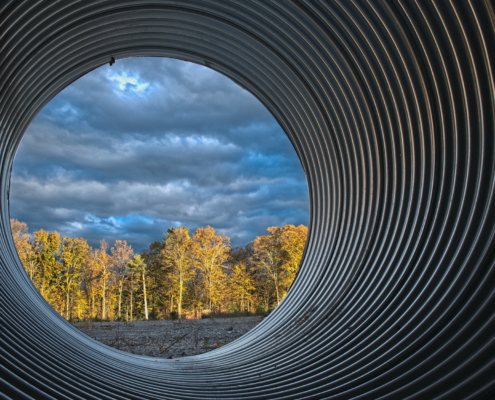
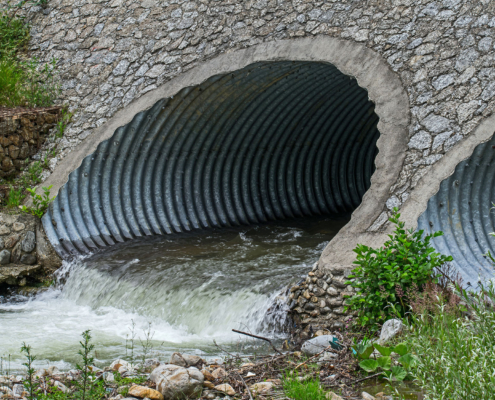
In this blog, we’ll explore why culverts are a superior choice for bunkers and how their unique design and structure make them ideal for such purposes.

What Are Culverts in the First Place?

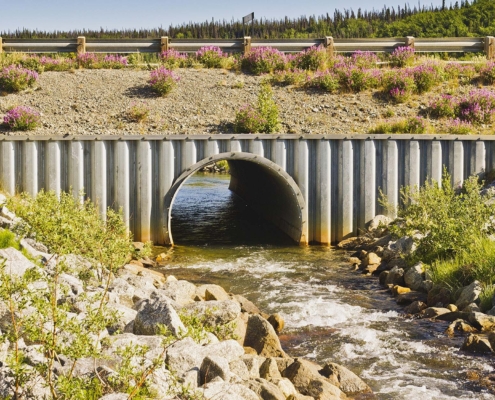
Culverts are tunnel-like structures usually installed beneath roads, railways, or embankments to allow water to flow freely while preventing erosion and maintaining structural integrity. Typically made from materials like corrugated steel, concrete, or plastic, culverts are designed to withstand heavy loads and extreme weather conditions. Their primary function is drainage, but due to their strong construction and cylindrical shape, they are well-suited for a variety of applications beyond their conventional use, including bunker construction.

Why Use Culvert Pipes for Bunker Construction?

Culverts are an excellent alternative to shipping containers for constructing bunkers. Here are some key reasons why culverts make a better choice for bunkers:

Durability and Structural Strength

Culverts are designed to withstand the weight of vehicles, soil, and water, making them incredibly strong and resilient. When buried underground, they are less likely to corrode or collapse compared to shipping containers, which are not designed for subterranean use. Shipping containers may be built to carry heavy loads during transportation, but they can rust and degrade over time when exposed to moisture and soil pressure. In contrast, culverts, especially those made from concrete or corrugated steel, are built specifically to handle long-term underground pressure and environmental wear.

A properly installed culvert can last for decades without needing major maintenance, ensuring the safety and integrity of your bunker.

Shape and Load Distribution

With cylindrical or arched shapes, culverts offer excellent load distribution when buried underground. This means the weight of the earth above is evenly distributed across the structure, reducing the risk of collapse. Shipping containers, being rectangular, tend to bear the brunt of pressure on their flat sides, which can cause structural issues over time. The design of a culvert makes it inherently more stable in underground applications, especially when dealing with significant earth pressure.

Water Resistance

Water intrusion is a major concern for any underground structure. Culverts are built to manage water flow and prevent flooding. Their watertight construction ensures that water will not seep into the bunker, even in areas with high groundwater levels. Shipping containers, on the other hand, may require extensive waterproofing and drainage systems to keep moisture out. Over time, the seals on a shipping container can deteriorate, leading to leaks and rust.

Modular and Customizable

Culverts come in various sizes, lengths, and materials, allowing for greater customization based on your specific bunker needs. Whether you need a small bunker for personal use or a large one for group shelter, culverts can be adapted to fit your requirements. They can be combined to create larger spaces or used as modular components in multi-room designs. Shipping containers, while stackable, offer limited flexibility in terms of size and shape. They are restricted by their boxy dimensions, which may not be ideal for all types of bunker layouts.

Culverts, on the other hand, can be arranged in a way that maximizes space, ventilation, and ease of access, making them more versatile for unique bunker designs.

Longevity and Maintenance

Culverts are designed for long-term use in extreme conditions. Once buried, they require minimal maintenance, and their materials are resistant to corrosion and environmental degradation. Shipping containers, while built to last during transportation, are not made for long-term underground placement. They are prone to rust, and the thin steel walls can weaken over time.

Common Uses for Culvert Piping in Bunker Construction

The versatility of culverts makes them ideal for a range of bunker applications. Here are some ways you can use piping for building your bunker:

Emergency Shelters

The sturdy construction of these pipes ensures protection from natural disasters like hurricanes, tornadoes, or even wildfires. Buried underground, they offer a secure space that can withstand high winds, debris, and other external forces that might threaten above-ground shelters.

Storm Bunkers

In regions prone to severe storms and flooding, culverts can serve storm bunkers. Their water-resistant design helps bunkers remain dry even during heavy rainstorms. They can also be fitted with proper ventilation systems to maintain air quality inside the bunker during long stays.

Survival Bunkers

For those looking to build a survival bunker for long-term emergencies, culverts are a strong construction choice. Their modular nature allows for expansion, and their inherent durability means they can remain structurally sound for years. Whether it’s food storage or simply a safe living space, culverts provide the long-lasting protection needed for survival situations.

Storage Bunkers

Piping’s underground placement offers an extra layer of security from theft and environmental damage. Whether you’re storing farming equipment, vehicles, or even important documents, a culvert bunker provides peace of mind that your items are safe.

The Challenges of Using Shipping Containers for Bunker Construction

Shipping containers may seem like a convenient option for bunkers due to their availability and relatively low cost. However, several challenges make them less ideal than culverts:

Structural Integrity

As mentioned earlier, shipping containers are not designed to handle the lateral pressure of being buried underground. Over time, this can cause the walls to warp or collapse, compromising the bunker’s safety.

Corrosion and Rust

Shipping containers are made of steel that, while sturdy, is prone to rust when exposed to moisture. Burying a container underground eliminates this issue, especially if the container is not properly treated or waterproofed before burial. Rust weakens the structure, making it vulnerable to collapse.

Insulation and Ventilation Issues

Containers are not naturally insulated, which can make them uncomfortable in extreme temperatures. They can also suffer from poor ventilation, leading to condensation and moisture buildup inside the bunker. Culverts, on the other hand, can be more easily adapted for proper ventilation and insulation.

Steel Pipe Pros is proud to offer a selection of tanker shells with various diameters. Find what best suits your project today!

Our Culvert Selection

Cost Comparison: Culverts vs. Shipping Containers for Bunkers

Below, we will break down the costs of building bunkers with culverts versus shipping containers, taking into account both the initial investment and long-term expenses.

Initial Material Costs

Shipping containers are often advertised as an affordable option, with used containers sometimes available for as little as $2,000 to $5,000. However, while this might seem like a bargain at first, the cost of properly preparing a shipping container for bunker use can quickly add up.

On the other hand, culverts are built specifically for underground use, typically as part of drainage systems or tunnels. The cylindrical shape of culverts makes them naturally resistant to the pressure of being buried, eliminating the need for expensive reinforcement. While culverts can cost anywhere from $1,000 to $10,000 depending on size and material (with metal and concrete being common options), the total cost may be more economical because they require less modification.

Installation Costs

Shipping containers, being large and box-shaped, are not as easy to install underground as one might think. To properly bury a shipping container, you’ll need to dig a large, rectangular hole and have cranes or other heavy equipment to lower the container into place. Additionally, you’ll need to take extra steps to waterproof and rustproof the container, as most shipping containers are made from steel that is not corrosion-resistant.

Culverts, in contrast, are easier to install because they are already designed for underground use. Their round shape allows for easier excavation and placement and requires less extensive digging.

Long-Term Value

While the initial cost of a shipping container may seem lower, the expenses related to reinforcing, installing, and maintaining it over time can quickly exceed those of a culvert bunker. Conversely, culverts offer greater durability, lower maintenance costs, and better long-term performance, making them the more cost-effective option in the long run.

Customization and Additional Features

Shipping containers, being rectangular, may require more extensive modifications to create usable spaces underground. Cutting through the steel walls to add windows, doors, or ventilation systems can be expensive and time-consuming.

Due to their round shape, culverts offer more flexibility in design. Because they are designed for underground applications, adding features like air filtration, escape hatches, and storage compartments is often easier.

Steel Pipe Pros Is Your Ultimate Source for Tanker Shell Culverts

SPP is the top provider of quality tanker shell culverts. We offer durable, reliable pipes designed to meet your needs, whether for construction, drainage, or bunker projects. Reach out today to plan for your next project!

Share This Post

  • Share on Facebook
  • Share on X
  • Share on Pinterest
  • Share on LinkedIn
  • Share on Tumblr
  • Share on Vk
  • Share on Reddit
  • Share by Mail

More Like This

Tips for Effective Stormwater Management: Culvert Design 

Tanker Shell Culverts
https://steelpipepros.com/wp-content/uploads/2025/10/Culvert-Design-Tips-for-Effective-Stormwater-Management.jpg 1250 2000 Abstrakt Marketing /wp-content/uploads/2023/10/Steel-Pipe-Pros-Logo-1.svg Abstrakt Marketing2025-10-10 10:58:122026-08-13 11:01:49Tips for Effective Stormwater Management: Culvert Design 
Water drains through pipes, under a bridge

The Role of Tanker Shell Culverts in Bridge Construction

Tanker Shell Culverts
https://steelpipepros.com/wp-content/uploads/2024/11/Water-drains-through-pipes-under-a-bridge.jpg 1250 2000 Abstrakt Marketing /wp-content/uploads/2023/10/Steel-Pipe-Pros-Logo-1.svg Abstrakt Marketing2024-11-08 09:29:452026-08-13 11:01:56The Role of Tanker Shell Culverts in Bridge Construction
Repurposed metal pipes stack

Why Repurposed Open Culvert Tanker Shells Are The Environmentally-Friendly Choice

Tanker Shell Culverts
https://steelpipepros.com/wp-content/uploads/2024/11/Repurposed-metal-pipes-stack.jpg 1250 2000 Abstrakt Marketing /wp-content/uploads/2023/10/Steel-Pipe-Pros-Logo-1.svg Abstrakt Marketing2024-11-01 13:40:482026-08-13 11:01:56Why Repurposed Open Culvert Tanker Shells Are The Environmentally-Friendly Choice
industrial large diameter pipes

The Rural and Agricultural Applications of Culvert Pipes

Tanker Shell Culverts
https://steelpipepros.com/wp-content/uploads/2024/11/industrial-large-diameter-pipes.jpg 1250 2000 Abstrakt Marketing /wp-content/uploads/2023/10/Steel-Pipe-Pros-Logo-1.svg Abstrakt Marketing2024-11-01 13:24:442026-08-13 11:01:57The Rural and Agricultural Applications of Culvert Pipes
Creek and culvert along the Alaska highway in Yukon, Canada

The Role of Culvert Design in Stormwater Management

Tanker Shell Culverts
https://steelpipepros.com/wp-content/uploads/2024/10/Creek-and-culvert-along-the-Alaska-highway-in-Yukon-Canada.jpg 1250 2000 Abstrakt Marketing /wp-content/uploads/2023/10/Steel-Pipe-Pros-Logo-1.svg Abstrakt Marketing2024-10-21 09:59:222026-08-13 11:01:57The Role of Culvert Design in Stormwater Management
Understanding What Culverts Are Used for in Construction

Understanding What Culverts Are Used for in Construction

Tanker Shell Culverts
https://steelpipepros.com/wp-content/uploads/2024/05/Understanding-What-Culverts-Are-Used-for-in-Construction.jpg 1250 2000 Abstrakt Marketing /wp-content/uploads/2023/10/Steel-Pipe-Pros-Logo-1.svg Abstrakt Marketing2024-05-15 15:23:462026-08-13 11:02:00Understanding What Culverts Are Used for in Construction
Side view of a stack of large steel pipes

A Comprehensive Guide to Buying Tanker Shell Culvert Pipe Material

Tanker Shell Culverts
https://steelpipepros.com/wp-content/uploads/2024/04/Side-view-of-a-stack-of-large-steel-pipes.jpg 1250 2000 Abstrakt Marketing /wp-content/uploads/2023/10/Steel-Pipe-Pros-Logo-1.svg Abstrakt Marketing2024-04-29 07:46:312026-08-13 11:02:01A Comprehensive Guide to Buying Tanker Shell Culvert Pipe Material
Large diameter steel pipe plant, Steel pipe manufacturing

Mastering Tank Shell Culvert Installation: A Comprehensive Guide

Tanker Shell Culverts
https://steelpipepros.com/wp-content/uploads/2024/04/Large-diameter-steel-pipe-plant-Steel-pipe-manufacturing.jpg 1250 2000 Abstrakt Marketing /wp-content/uploads/2023/10/Steel-Pipe-Pros-Logo-1.svg Abstrakt Marketing2024-04-29 07:36:302026-08-13 11:02:01Mastering Tank Shell Culvert Installation: A Comprehensive Guide
Front view of large steel pipe

The Pros and Cons of Tanker Shell Steel Culvert Pipe

Tanker Shell Culverts
https://steelpipepros.com/wp-content/uploads/2024/03/Front-view-of-large-steel-pipe.jpg 1250 2000 Abstrakt Marketing /wp-content/uploads/2023/10/Steel-Pipe-Pros-Logo-1.svg Abstrakt Marketing2024-03-25 11:37:042026-08-13 11:02:01The Pros and Cons of Tanker Shell Steel Culvert Pipe
Previous Previous Previous Next Next Next

Categories

  • Culvert Pipes
  • Industries
  • Irrigation
  • NRCS
  • NRCS Funding
  • Plumbing
  • Steel Pipe
  • Steel Pipe Purchasing
  • Steel Pipe Selection
  • Tanker Shell Culverts
  • Testing Used Steel
  • Used Steel Pipes

Contact Us

"*" indicates required fields

Location

Address
1536 North Broadway
St. Louis, MO 63102

Get In Touch

Phone
314-325-6181

Email
kyle@steelpipepros.com
brian@steelpipepros.com

Social
LinkedIn

Services

Steel Solutions

Pipe and Tube Supply

Used Steel Pipe

New Surplus Pipe

Tank Shell Culverts

About Us

We are the go-to supplier of steel pipe products and solutions nationwide.

Contact Us
Website by Abstrakt Marketing Group ©
  • Sitemap
  • Privacy Policy
Link to: What to Look for When Choosing Steel Pipes: Identifying the Right Piping Material Link to: What to Look for When Choosing Steel Pipes: Identifying the Right Piping Material What to Look for When Choosing Steel Pipes: Identifying the Right Piping Ma...Front view of a stack of steel pipes Link to: The Role of Culvert Design in Stormwater Management Link to: The Role of Culvert Design in Stormwater Management Creek and culvert along the Alaska highway in Yukon, CanadaThe Role of Culvert Design in Stormwater Management
Scroll to top Scroll to top Scroll to top

This site uses cookies. By continuing to browse the site, you are agreeing to our use of cookies.

AcceptLearn more

Cookie and Privacy Settings


How we use cookies

We may request cookies to be set on your device. We use cookies to let us know when you visit our websites, how you interact with us, to enrich your user experience, and to customize your relationship with our website.

Click on the different category headings to find out more. You can also change some of your preferences. Note that blocking some types of cookies may impact your experience on our websites and the services we are able to offer.

Essential Website Cookies

These cookies are strictly necessary to provide you with services available through our website and to use some of its features.

Because these cookies are strictly necessary to deliver the website, refusing them will have impact how our site functions. You always can block or delete cookies by changing your browser settings and force blocking all cookies on this website. But this will always prompt you to accept/refuse cookies when revisiting our site.

We fully respect if you want to refuse cookies but to avoid asking you again and again kindly allow us to store a cookie for that. You are free to opt out any time or opt in for other cookies to get a better experience. If you refuse cookies we will remove all set cookies in our domain.

We provide you with a list of stored cookies on your computer in our domain so you can check what we stored. Due to security reasons we are not able to show or modify cookies from other domains. You can check these in your browser security settings.

Other external services

We also use different external services like Google Webfonts, Google Maps, and external Video providers. Since these providers may collect personal data like your IP address we allow you to block them here. Please be aware that this might heavily reduce the functionality and appearance of our site. Changes will take effect once you reload the page.

Google Webfont Settings:

Google Map Settings:

Google reCaptcha Settings:

Vimeo and Youtube video embeds:

Accept settingsHide notification only