• Steel Solutions
    • Pipe and Tube Supply
      • Used Steel Pipe
      • New Surplus Pipe
    • Tanker Shell Culverts
    • Pumps & Pump Controls
  • Resources
    • Quotes
    • Specials
    • Blog
  • About Us
    • Industries We Serve
      • Agriculture
    • Areas We Serve
      • Arkansas
      • Illinois
      • Louisiana
      • Missouri
  • Contact
  • Menu Menu

Thickness Selection: How to Size Used Steel Pipes for Your Next Project

Used steel pipe is an excellent solution for everything from heavy-duty construction projects to irrigation systems, fencing, and industrial supports. But one thing that trips up buyers more often than you’d expect is thickness selection.

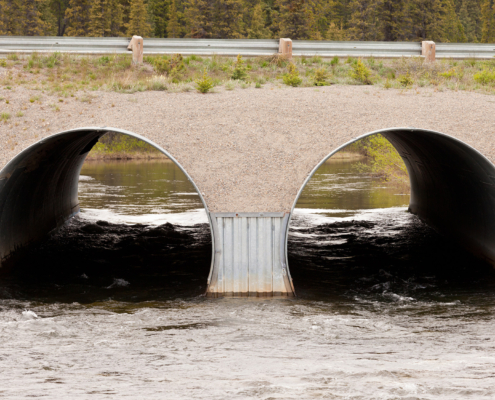
Picking the right wall thickness for your steel pipe isn’t just a technical detail; it’s a key decision that impacts your project’s safety, strength, cost, and success. Undersize it, and you risk failure. Oversize it, and you’re spending more than you need. In this guide, we’ll break down what thickness selection really means, how it affects performance, and how to confidently choose the right pipe for the job.

Why Choosing Pipe Thickness Matters for Used Steel

One of the biggest differences between two pipes of the same diameter is wall thickness. This measurement plays a major role in steel pipe strength, how much weight it can bear, and how long it will last under real-world conditions.

Thickness selection is all about balancing your application’s demands with budget, availability, and long-term performance. If you’re not sure how thick your pipe should be, you’re not alone. Many buyers skip this step or guess and end up with material that isn’t suited for the job.

Understanding Pipe Wall Thickness: The Basics

Before you choose your pipe, it helps to understand how wall thickness is defined and labeled.

Nominal Pipe Size (NPS) vs. Schedule

Steel pipes are measured by their Nominal Pipe Size (NPS), and wall thickness is categorized by “schedule” numbers (like Schedule 40 or Schedule 80). A Schedule 80 pipe has a thicker wall than a Schedule 40 pipe of the same NPS, meaning it’s stronger and can handle more internal pressure or external load.

Outer Diameter Stays the Same

Here’s where some confusion comes in: For a given NPS, the outer diameter of the pipe stays the same, but as the wall gets thicker, the inner diameter gets smaller. That means a thicker pipe handles more pressure but allows slightly less flow.

Factors Affecting Steel Pipe With Thickness Selection

Choosing the right pipe isn’t just about what fits. You have to think about what your pipe will do and what it will face along the way.

  • Load-Bearing Capacity: If the pipe is supporting weight, as a piling, beam, or structural column, then wall thickness directly affects its ability to resist buckling or collapse. The more load your pipe needs to handle, the thicker it should be.
  • Internal Pressure: For applications like water transport, gas lines, or hydraulic systems, internal pressure matters most. Pipes with thicker walls can safely contain higher pressures without leaking or bursting.
  • Environmental Conditions: Pipes exposed to the elements, especially those underground or underwater, are prone to corrosion. Choosing a slightly thicker pipe gives you more margin if corrosion slowly eats into the wall over time.
  • Lifespan Expectations: If you’re building a permanent installation or something with a long operational life, investing in a thicker pipe can offer more durability and reduce the risk of replacement down the road.
  • Budget and Availability: Thicker pipe costs more per foot, especially as steel prices fluctuate. You also need to factor in weight. Heavier pipe costs more to ship and may require different equipment to move and install.

Common Thickness Selection Levels and Where They Work Best

If you’re not sure where to start, here’s a quick breakdown of typical pipe schedules and where they tend to be used.

Schedule 10

  • Wall Thickness: Thin
  • Best For: Low-pressure water flow, irrigation systems, fencing, and light-duty frames
  • Notes: Light and easy to work with, but not suitable for structural or high-pressure use

Schedule 40

  • Wall Thickness: Standard
  • Best For: Plumbing, construction framing, agricultural applications, handrails
  • Notes: Most commonly used schedule for general-purpose projects

Schedule 80

  • Wall Thickness: Thick
  • Best For: Pressurized systems, industrial pipelines, structural supports
  • Notes: Heavier and stronger than Schedule 40; ideal for more demanding environments

Schedule 160 and Beyond

  • Wall Thickness: Extra thick
  • Best For: High-pressure oil, gas, or chemical systems
  • Notes: Often used in very specific, high-performance industrial settings

How to Measure Pipe Thickness

If you’re sourcing used steel pipe, you’ll want to verify wall thickness before buying. Here’s how to check:

  • Use a Caliper or Micrometer: These tools measure the distance between the pipe’s inner and outer walls to determine the exact thickness. Be sure to measure in multiple spots to account for wear or corrosion.
  • Compare to Pipe Schedule Charts: Once you have your measurement, reference a schedule chart to match it to the correct NPS and schedule. This ensures you’re getting the specs you need for your application.
  • Ask for Verification from Your Supplier: A reputable supplier like Steel Pipe Pros will have already tested and documented wall thickness for their used steel pipe. Don’t hesitate to ask for that data.

Looking to learn more about thickness selection and general sizing when it comes to used steel pipes? Check out this helpful guide.

Selecting and Sizing Used Pipe

Mistakes to Avoid When Choosing Pipe Thickness

Thickness selection mistakes can cost you time, money, or worse, structural failure. Here are some of the most common pitfalls to avoid:

  • Assuming all pipe of the same diameter has the same wall thickness
  • Guessing instead of measuring or asking
  • Buying based on price alone without checking structural or pressure needs
  • Overbuilding when you don’t need to, wasting budget on pipe that’s thicker than necessary
  • Undersizing for load-bearing or pressure systems

Getting the right pipe thickness is a blend of math, use case, and experience. When in doubt, ask your supplier for guidance based on your intended application.

Thickness Selection for Common Applications

Still not sure what you need? Here’s a quick reference for popular applications and the typical schedules used:

  • Fencing and posts: Schedule 10 or Schedule 40
  • Water irrigation lines: Schedule 40
  • Underground conduit: Schedule 40 or Schedule 80 (if moisture is a concern)
  • Structural columns or frames: Schedule 80 or thicker
  • Oil and gas pipelines: Schedule 80 or Schedule 160
  • Pressure vessels or fluid transport under pressure: Schedule 80 minimum

Why Thickness Matters More in Used Steel Pipe

When dealing with used pipe, thickness selection takes on even more importance. Depending on its history, used pipe may have some wear, minor corrosion, or slight wall thinning. That’s why going too thin isn’t just risky; it could lead to unexpected failure.

A supplier that tests and verifies each pipe’s wall thickness can help you buy with confidence, knowing exactly how much integrity remains in the steel.

Get the Right Size Used Steel By Consulting With Steel Pipe Pros

Thickness selection may sound technical, but it’s one of the most practical parts of buying used steel pipe. Choosing the right wall thickness affects everything from safety to performance to long-term costs. The more you know going in, the better decisions you can make.

Steel Pipe Pros offers a deep inventory of tested used steel pipe in every wall thickness you need. We’ll help you choose the right size for your application and make sure your material is strong, safe, and ready to go. Skip the guesswork. Get pipe that fits your specs and your budget. Reach out today and let’s size it right together.

Share This Post

  • Share on Facebook
  • Share on X
  • Share on Pinterest
  • Share on LinkedIn
  • Share on Tumblr
  • Share on Vk
  • Share on Reddit
  • Share by Mail

More Like This

8 Steps to Choosing the Right Agricultural Piping Supplier for Your Farm’s Needs

Industries, Steel Pipe
https://steelpipepros.com/wp-content/uploads/2025/11/8-Steps-to-Choosing-the-Right-Agricultural-Piping-Supplier-for-Your-Farms-Needs.jpg 1250 2000 Abstrakt Marketing /wp-content/uploads/2023/10/Steel-Pipe-Pros-Logo-1.svg Abstrakt Marketing2025-11-12 10:51:342026-08-13 11:01:488 Steps to Choosing the Right Agricultural Piping Supplier for Your Farm’s Needs

Buying Used Steel Culvert Pipes: What to Inspect Before You Purchase

Steel Pipe, Used Steel Pipes
https://steelpipepros.com/wp-content/uploads/2025/10/Buying-Used-Steel-Culvert-Pipes_-What-to-Inspect-Before-You-Purchase.jpg 1250 2000 Abstrakt Marketing /wp-content/uploads/2023/10/Steel-Pipe-Pros-Logo-1.svg Abstrakt Marketing2025-10-10 11:29:392026-08-13 11:01:49Buying Used Steel Culvert Pipes: What to Inspect Before You Purchase

A Guide to Irrigation and Pipe Installation: Best Practices and Tips

Steel Pipe
https://steelpipepros.com/wp-content/uploads/2025/08/A-Guide-to-Irrigation-and-Pipe-Installation_-Best-Practices-and-Tips_.jpg 1250 2000 Abstrakt Marketing /wp-content/uploads/2023/10/Steel-Pipe-Pros-Logo-1.svg Abstrakt Marketing2025-08-12 10:52:492026-08-13 11:01:50A Guide to Irrigation and Pipe Installation: Best Practices and Tips

Exploring Rust Removal Techniques for the Maximum Longevity of Used Steel Pipes

Steel Pipe
https://steelpipepros.com/wp-content/uploads/2025/06/Steel-pipes-with-rust.jpg 1250 2000 Abstrakt Marketing /wp-content/uploads/2023/10/Steel-Pipe-Pros-Logo-1.svg Abstrakt Marketing2025-06-23 10:05:132026-08-13 11:01:51Exploring Rust Removal Techniques for the Maximum Longevity of Used Steel Pipes
An Overview of Pipe Strength Testing

An Overview of Pipe Strength Testing

Steel Pipe
https://steelpipepros.com/wp-content/uploads/2025/05/An-Overview-of-Pipe-Strength-Testing.jpg 1250 2000 Abstrakt Marketing /wp-content/uploads/2023/10/Steel-Pipe-Pros-Logo-1.svg Abstrakt Marketing2025-05-21 07:53:072026-08-13 11:01:52An Overview of Pipe Strength Testing
Steel pipes stacked on top of each other

Can My Project Use Steel Pipes for Plumbing and Water Supply Support?

Plumbing, Steel Pipe
https://steelpipepros.com/wp-content/uploads/2025/05/Steel-pipes-stacked-on-top-of-each-other.jpg 1250 2000 Abstrakt Marketing /wp-content/uploads/2023/10/Steel-Pipe-Pros-Logo-1.svg Abstrakt Marketing2025-05-20 10:20:082026-08-13 11:01:53Can My Project Use Steel Pipes for Plumbing and Water Supply Support?
Steel pipes stacked in lot

The Environmental Benefits of Choosing Used Steel Pipes

Steel Pipe, Used Steel Pipes
https://steelpipepros.com/wp-content/uploads/2025/02/Steel-pipes-stacked-in-lot.jpg 1250 2000 Abstrakt Marketing /wp-content/uploads/2023/10/Steel-Pipe-Pros-Logo-1.svg Abstrakt Marketing2025-02-25 09:06:162026-08-13 11:01:55The Environmental Benefits of Choosing Used Steel Pipes
Front view of a stack of steel pipes

What to Look for When Choosing Steel Pipes: Identifying the Right Piping Material

Steel Pipe
https://steelpipepros.com/wp-content/uploads/2024/08/Front-view-of-a-stack-of-steel-pipes.jpg 1250 2000 Abstrakt Marketing /wp-content/uploads/2023/10/Steel-Pipe-Pros-Logo-1.svg Abstrakt Marketing2024-08-22 11:14:582026-08-13 11:01:57What to Look for When Choosing Steel Pipes: Identifying the Right Piping Material
Bundles of steel pipes in a warehouse

Surplus Steel Pipe vs. New Steel: Selecting the Best Option

Steel Pipe
https://steelpipepros.com/wp-content/uploads/2024/08/Bundles-of-steel-pipes-in-a-warehouse.jpg 1250 2000 Abstrakt Marketing /wp-content/uploads/2023/10/Steel-Pipe-Pros-Logo-1.svg Abstrakt Marketing2024-08-20 16:57:512026-08-13 11:01:58Surplus Steel Pipe vs. New Steel: Selecting the Best Option
Previous Previous Previous Next Next Next

Categories

  • Culvert Pipes
  • Industries
  • Irrigation
  • NRCS
  • NRCS Funding
  • Plumbing
  • Steel Pipe
  • Steel Pipe Purchasing
  • Steel Pipe Selection
  • Tanker Shell Culverts
  • Testing Used Steel
  • Used Steel Pipes

Contact Us

"*" indicates required fields

Location

Address
1536 North Broadway
St. Louis, MO 63102

Get In Touch

Phone
314-325-6181

Email
kyle@steelpipepros.com
brian@steelpipepros.com

Social
LinkedIn

Services

Steel Solutions

Pipe and Tube Supply

Used Steel Pipe

New Surplus Pipe

Tank Shell Culverts

About Us

We are the go-to supplier of steel pipe products and solutions nationwide.

Contact Us
Website by Abstrakt Marketing Group ©
  • Sitemap
  • Privacy Policy
Link to: Bulk Steel Pipe vs. Custom Orders: Which is Best When Buying Used Steel? Link to: Bulk Steel Pipe vs. Custom Orders: Which is Best When Buying Used Steel? Bulk Steel Pipe vs. Custom Orders: Which is Best When Buying Used Steel?Steel pipes stacked ontop of eachother Link to: Exploring Rust Removal Techniques for the Maximum Longevity of Used Steel Pipes Link to: Exploring Rust Removal Techniques for the Maximum Longevity of Used Steel Pipes Exploring Rust Removal Techniques for the Maximum Longevity of Used Steel ...
Scroll to top Scroll to top Scroll to top

This site uses cookies. By continuing to browse the site, you are agreeing to our use of cookies.

AcceptLearn more

Cookie and Privacy Settings


How we use cookies

We may request cookies to be set on your device. We use cookies to let us know when you visit our websites, how you interact with us, to enrich your user experience, and to customize your relationship with our website.

Click on the different category headings to find out more. You can also change some of your preferences. Note that blocking some types of cookies may impact your experience on our websites and the services we are able to offer.

Essential Website Cookies

These cookies are strictly necessary to provide you with services available through our website and to use some of its features.

Because these cookies are strictly necessary to deliver the website, refusing them will have impact how our site functions. You always can block or delete cookies by changing your browser settings and force blocking all cookies on this website. But this will always prompt you to accept/refuse cookies when revisiting our site.

We fully respect if you want to refuse cookies but to avoid asking you again and again kindly allow us to store a cookie for that. You are free to opt out any time or opt in for other cookies to get a better experience. If you refuse cookies we will remove all set cookies in our domain.

We provide you with a list of stored cookies on your computer in our domain so you can check what we stored. Due to security reasons we are not able to show or modify cookies from other domains. You can check these in your browser security settings.

Other external services

We also use different external services like Google Webfonts, Google Maps, and external Video providers. Since these providers may collect personal data like your IP address we allow you to block them here. Please be aware that this might heavily reduce the functionality and appearance of our site. Changes will take effect once you reload the page.

Google Webfont Settings:

Google Map Settings:

Google reCaptcha Settings:

Vimeo and Youtube video embeds:

Accept settingsHide notification only