• Steel Solutions
    • Pipe and Tube Supply
      • Used Steel Pipe
      • New Surplus Pipe
    • Tanker Shell Culverts
    • Pumps & Pump Controls
  • Resources
    • Quotes
    • Specials
    • Blog
  • About Us
    • Industries We Serve
      • Agriculture
    • Areas We Serve
      • Arkansas
      • Illinois
      • Louisiana
      • Missouri
  • Contact
  • Menu Menu

Culvert Design Considerations for Midwest Farms

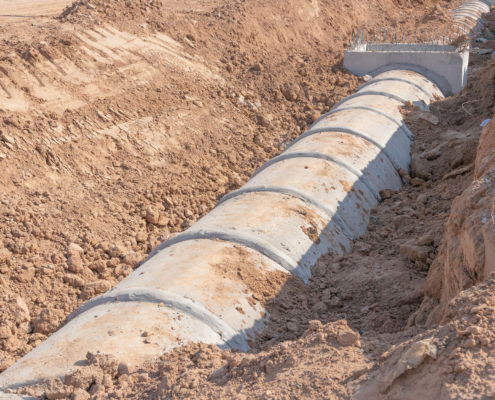
Farming in the Midwest means dealing with heavy spring rains, freeze‑thaw cycles, changing soil types and unmanaged runoff. When culverts fail, you lose crops, wash out roadways or compromise field access. Understanding proper culvert design considerations ensures your drainage and infrastructure hold up under real conditions. Let’s walk through what matters most, from climate and soils to land use, hydrology and regulation, so your culvert system works for decades.
Climate and Seasonal Impact on Culvert Design

Before picking size or material, your site’s environment plays a huge role. Good culvert design considerations start with climate and seasonal stress in mind.

Freeze‑Thaw and Soil Movement

In the Midwest, winter freeze and spring thaw shift soils and rock the structures under them. Culverts need to be sized, set, and supported so they settle evenly and don’t crack or deform. Without accounting for these cycles, you risk failure later.

Spring Runoff and Burst Flow Events

Heavy rains, snowmelt, or rapid drainage demand that your culvert capacity meets peak flow. Part of culvert design is sizing the pipe to pass larger storms without overtopping roads or flooding fields. Undersized culverts are a common point of failure.

Soil Composition, Alignment, and Hydrology

Water moves differently through clay, silt, sand, or gravel, so your culvert must match site conditions. These are key design considerations when planning.

Soil and Bedding Requirements

Poorly supported culverts in shifting or fine‐grained soils can settle, collapse, or cause scouring. Stable soil, correct bedding material, and proper backfill make all the difference in long‑term performance.

Alignment, Slope, and Flow Control

Keeping the culvert aligned with the natural channel, maintaining adequate slope, and avoiding abrupt bends or restrictions all fall under culvert considerations. Poor alignment increases the risk of debris buildup, erosion, or flow blockages.

Hydrologic Runoff and Drainage Area

Determining how much water your culvert needs to handle is a major design factor. Accurate estimates of drainage area, flow duration, and peak runoff guide diameter, material, and outlet design under overarching considerations.

Land Use, Erosion Control, and Structural Load

Farms don’t just carry water; they carry equipment, livestock, soil loads, and seasonal debris. These factors go into smart culvert design considerations.

Traffic Load and Coverage

Farm roads carry tractors, trucks, and equipment. Culverts must have structural strength to support loads above, so material and cover depth are part of design considerations for durable installations.

Erosion Protection at Inlet or Outlet

Water entering or exiting a culvert can scour banks and destroy embankments. Part of your culvert design considerations includes protecting the inlet and outlet zones with riprap, flared ends, or energy dissipaters to avoid long‑term damage.

Land Use and Access Requirements

Whether a field road, pasture crossing, or seasonal access track, your culvert needs to match usage. Design considerations involve access width, service requirements, and future maintenance when selecting materials and embedment depth.

Local Regulations, Permitting and Maintenance

Even the best culvert design fails if local requirements and maintenance aren’t baked in. These are crucial culvert design considerations for compliance and longevity.

Permitting and Drainage District Requirements

Many areas of the Midwest have drainage laws, floodplain rules, or watershed mandates. Making sure your culvert meets local and state specifications around flow capacity, fish passage, or channel width is essential.

Maintenance Access and Inspection

Designing a culvert that’s hard to inspect or access makes future upkeep harder. Design considerations include road access, clearing debris, checking for sediment buildup or corrosion, and maintaining the alignment.

Material Selection and Long‑Term Reliability

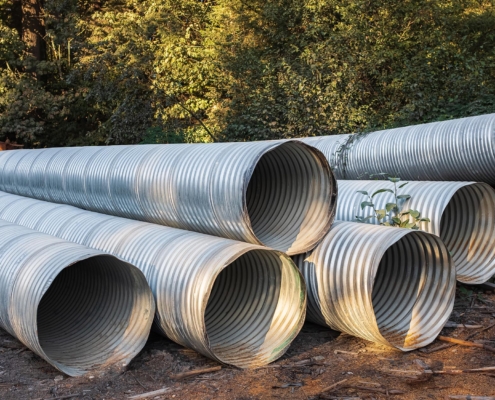
Metal, concrete, and plastic all have roles. Many Midwest farms choose steel or heavy‑gage pipe for durability. When selecting materials, your culvert design considerations should weigh lifespan, replacement cost, corrosion resistance, and ease of installation.

At Steel Pipe Pros, we provide heavy‑duty culvert pipe for farms that demand durability and performance. Check out more about our selection.

Our Tank Shell Culverts

Material & Size Selection for Midwest Farms

Getting pipe size and material right ties all previous sections together under effective culvert design considerations. These decisions aren’t just technical; they shape how well your drainage infrastructure performs through seasons of wear, extreme weather, and daily farm operations.

Choosing Durable Materials

Steel pipe remains a top choice on Midwest farms because it can handle repeated freeze-thaw cycles, resist corrosion when treated properly, and support the weight of agricultural equipment. Compared to plastic or concrete alternatives, steel offers better resistance to heavy impacts, shifting ground, and long-term erosion. It also holds its shape under high pressure, making it ideal for road crossings and large-volume water flow. When evaluating culvert design considerations, always account for the local soil chemistry and moisture levels. Selecting coated or galvanized steel can increase lifespan significantly. Choosing the right material helps avoid collapse, deformation, or rapid rusting, protecting your infrastructure investment.

Diameter, Cover Depth, and Shape

Selecting the right diameter is crucial for handling runoff and peak flow from surrounding fields. Undersized culverts can cause water backups, overflow, or accelerated erosion, while oversized options may cost more than necessary. Depth of cover (the soil above the pipe) also influences how well the culvert holds up under vehicle loads. Most farm roads need at least 12 inches of cover for structural support. Don’t overlook the shape: while round culverts are most common, elliptical or arch styles may better suit low-clearance sites. In all cases, aligning pipe size and shape with the drainage area ensures your culvert performs as intended.

Installation Best Practices

Even the best culvert materials will fail if installation is rushed or incorrect. Start by trenching a proper bed and compacting it to avoid settling. Using appropriate bedding, gravel or sand is ideal for consistent support along the bottom. Pipe alignment should follow the natural channel, with smooth slope transitions to maintain water flow. Backfill should be placed evenly and compacted in layers to avoid pipe shifting. Finally, protect the inlet and outlet with riprap or wingwalls to prevent scouring and erosion. These best practices are essential culvert design considerations that prevent long-term failures and keep your farm’s infrastructure resilient.

Protect Your Farm Land With Quality Culvert Material From SPP

Steel Pipe Pros’ focus on strong material, correct sizing and thoughtful installation means your culvert system won’t fail when you need it most. Let our team supply your next farm drainage solution with steel pipe built for Midwest conditions. Get in touch with our team to start the process today.

Share This Post

  • Share on Facebook
  • Share on X
  • Share on Pinterest
  • Share on LinkedIn
  • Share on Tumblr
  • Share on Vk
  • Share on Reddit
  • Share by Mail

More Like This

Exposed pipe in the dirt

The Role of Tank Shell Culverts in Sustainable Urban Planning

Culvert Pipes
https://steelpipepros.com/wp-content/uploads/2024/06/Exposed-pipe-in-the-dirt.jpg 1250 2000 Abstrakt Marketing /wp-content/uploads/2023/10/Steel-Pipe-Pros-Logo-1.svg Abstrakt Marketing2024-06-20 16:10:282026-08-13 11:02:00The Role of Tank Shell Culverts in Sustainable Urban Planning
Steel culvert pipe sitting in pile on commercial property

The Different Types of Steel Culvert Pipe

Culvert Pipes
https://steelpipepros.com/wp-content/uploads/2024/06/Steel-culvert-pipe-sitting-in-pile-on-commercial-property.jpg 1250 2000 Abstrakt Marketing /wp-content/uploads/2023/10/Steel-Pipe-Pros-Logo-1.svg Abstrakt Marketing2024-06-18 12:10:312026-08-13 11:02:00The Different Types of Steel Culvert Pipe

Categories

  • Culvert Pipes
  • Industries
  • Irrigation
  • NRCS
  • NRCS Funding
  • Plumbing
  • Steel Pipe
  • Steel Pipe Purchasing
  • Steel Pipe Selection
  • Tanker Shell Culverts
  • Testing Used Steel
  • Used Steel Pipes

Contact Us

"*" indicates required fields

Location

Address
1536 North Broadway
St. Louis, MO 63102

Get In Touch

Phone
314-325-6181

Email
kyle@steelpipepros.com
brian@steelpipepros.com

Social
LinkedIn

Services

Steel Solutions

Pipe and Tube Supply

Used Steel Pipe

New Surplus Pipe

Tank Shell Culverts

About Us

We are the go-to supplier of steel pipe products and solutions nationwide.

Contact Us
Website by Abstrakt Marketing Group ©
  • Sitemap
  • Privacy Policy
Link to: Buying Used Steel Culvert Pipes: What to Inspect Before You Purchase Link to: Buying Used Steel Culvert Pipes: What to Inspect Before You Purchase Buying Used Steel Culvert Pipes: What to Inspect Before You Purchase Link to: 8 Steps to Choosing the Right Agricultural Piping Supplier for Your Farm’s Needs Link to: 8 Steps to Choosing the Right Agricultural Piping Supplier for Your Farm’s Needs 8 Steps to Choosing the Right Agricultural Piping Supplier for Your Farm’s...
Scroll to top Scroll to top Scroll to top

This site uses cookies. By continuing to browse the site, you are agreeing to our use of cookies.

AcceptLearn more

Cookie and Privacy Settings


How we use cookies

We may request cookies to be set on your device. We use cookies to let us know when you visit our websites, how you interact with us, to enrich your user experience, and to customize your relationship with our website.

Click on the different category headings to find out more. You can also change some of your preferences. Note that blocking some types of cookies may impact your experience on our websites and the services we are able to offer.

Essential Website Cookies

These cookies are strictly necessary to provide you with services available through our website and to use some of its features.

Because these cookies are strictly necessary to deliver the website, refusing them will have impact how our site functions. You always can block or delete cookies by changing your browser settings and force blocking all cookies on this website. But this will always prompt you to accept/refuse cookies when revisiting our site.

We fully respect if you want to refuse cookies but to avoid asking you again and again kindly allow us to store a cookie for that. You are free to opt out any time or opt in for other cookies to get a better experience. If you refuse cookies we will remove all set cookies in our domain.

We provide you with a list of stored cookies on your computer in our domain so you can check what we stored. Due to security reasons we are not able to show or modify cookies from other domains. You can check these in your browser security settings.

Other external services

We also use different external services like Google Webfonts, Google Maps, and external Video providers. Since these providers may collect personal data like your IP address we allow you to block them here. Please be aware that this might heavily reduce the functionality and appearance of our site. Changes will take effect once you reload the page.

Google Webfont Settings:

Google Map Settings:

Google reCaptcha Settings:

Vimeo and Youtube video embeds:

Accept settingsHide notification only