• Steel Solutions
    • Pipe and Tube Supply
      • Used Steel Pipe
      • New Surplus Pipe
    • Tanker Shell Culverts
    • Pumps & Pump Controls
  • Resources
    • Quotes
    • Specials
    • Blog
  • About Us
    • Industries We Serve
      • Agriculture
    • Areas We Serve
      • Arkansas
      • Illinois
      • Louisiana
      • Missouri
  • Contact
  • Menu Menu

Corrosion-Resistant Pipe: A Key Factor in Oil Drilling

Corrosion is one of the most pressing challenges in the oil drilling industry, mainly for equipment that spends prolonged periods exposed to harsh environments. Corrosion-resistant pipes, such as those made with stainless steel or coated with protective materials, are essential in extending the lifespan of drilling infrastructure, maintaining safety, and reducing costly downtime. This blog will explore why corrosion pipes are crucial, what materials offer the best protection, and preventive measures to keep pipes functioning effectively for years.
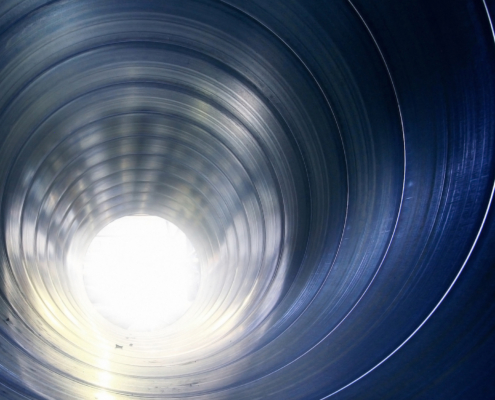
Why the Corrosion of Stainless Steel Pipes Are a Major Obstacle in the Oil & Gas Sector

In oil drilling, pipes are exposed to corrosive elements, including saltwater, CO₂, H₂S (hydrogen sulfide), and other naturally occurring gases. The corrosive effects are heightened in deep-sea drilling, where extreme pressure and temperatures create a perfect environment for chemical reactions that degrade unprotected materials. Corrosion can lead to pipe leaks, weakened structures, and potential safety hazards, making it a significant concern in oilfield operations. Corrosion in pipes can occur through several mechanisms, including:

  • General Corrosion: Occurs uniformly across the surface of the pipe, reducing its overall thickness and durability.
  • Pitting Corrosion: Forms small, deep pits that can compromise the pipe’s structural integrity.
  • Stress Corrosion Cracking (SCC): A combination of stress and corrosion that causes cracks to develop, especially under high pressures.

Materials That Improve the Corrosion of Pipe

Corrosion-resistant pipes provide a practical and essential solution to mitigate the risks pointed out above. Let’s look at a few options involved in preventing pipeline corrosion:

Stainless Steel

Containing chromium, stainless steel forms a natural protective oxide layer that acts as a barrier to corrosion. Various grades are available, including duplex stainless steel, which provides additional resistance to chloride pitting corrosion and is ideal for environments with high salinity.

Carbon Steel with Inhibitive Coatings

While economical and durable, carbon steel is susceptible to corrosion if left untreated. Carbon steel can become highly corrosion-resistant by applying coatings such as epoxy, polyurethane, or zinc. Epoxy coatings are widely used because they bond tightly to the steel’s surface, preventing corrosive elements from reaching the underlying metal.

Nickel Alloys

Nickel-based alloys such as Inconel are exceptionally resistant to corrosion and high temperatures. While more costly than stainless or carbon steel, nickel alloys are suitable for extremely harsh drilling environments, including those with high sulfur content. Their ability to resist SCC and other forms of localized corrosion makes them highly reliable for critical applications.

Plastic-Lined Steel Pipes

Some operations use plastic-lined steel pipes, especially where high corrosion risk combines with lower temperature requirements. High-density polyethylene (HDPE) and polyvinylidene fluoride (PVDF) linings are commonly used. These linings protect the metal core of the pipe and are resistant to chemical reactions, effectively extending the pipe’s operational life.

Fiberglass-Reinforced Plastic (FRP)

FRP pipes are lighter and resistant to both internal and external corrosion, making them a solid choice in certain offshore applications. While not as strong as steel, FRP pipes offer specific advantages in low-pressure drilling situations where corrosion resistance is more important than tensile strength.

Preventive Measures and Maintenance Strategies

While choosing the right material is critical, regular maintenance and preventive measures can further protect pipes and enhance their lifespan in corrosive environments.

Cathodic Protection

Cathodic protection systems apply an electrical charge to the pipe to prevent corrosion. This is commonly achieved through the use of sacrificial anodes (typically made of magnesium or zinc) or impressed current systems. Cathodic protection is useful in environments with high salinity, such as offshore oil rigs, where it acts as an extra barrier against corrosion.

Corrosion Inhibitors

Adding corrosion inhibitors to drilling fluids can help reduce the chemical reactions that cause corrosion. These chemicals, which include phosphates, amines, and molybdates, form protective layers on the pipe’s surface, reducing the interaction between the metal and the surrounding elements.

Regular Inspections and Monitoring

Conducting regular inspections can help detect early signs of corrosion before they escalate. Visual checks, ultrasonic testing, and radiographic imaging are commonly used to assess pipe integrity. Real-time monitoring systems, which track factors like pressure, temperature, and pH levels, can also be installed to provide insights into potential corrosion risks, allowing operators to respond proactively.

Coating Maintenance

Protective coatings need regular inspection to ensure they remain intact. Chips, scratches, or areas where coatings have worn off expose the underlying metal to corrosion.

Environmental Controls

Minimizing the exposure of pipes to corrosive elements by controlling the environment can also help reduce corrosion. Desiccant dehumidifiers can lower humidity in storage areas, while controlling temperature fluctuations can prevent condensation, reducing the likelihood of corrosion in above-ground pipelines.

Explore SPP’s corrosion-resistant pipe designed to endure harsh drilling conditions, protect your infrastructure, and minimize downtime.

Source Any Pipe

Signs Corroded Pipes Are Hurting Your Operations

Corrosion in oil and gas pipelines can lead to costly, disruptive issues that compromise safety and efficiency. Here’s how corroded pipes could be impacting your operations:

  • Reduced Flow Efficiency: Corrosion narrows the internal diameter of pipes, restricting flow and reducing efficiency, which can lead to higher operational costs.
  • Increased Maintenance Costs: Corroded pipes require frequent repairs and maintenance, diverting resources from other essential areas of your operations.
  • Environmental and Safety Risks: Leaks or spills caused by corrosion pose serious environmental hazards, affecting regulatory compliance and community trust.
  • Downtime Due to Pipe Replacement: Frequent shutdowns for pipe replacement mean lost productivity, which can lead to revenue loss over time.
  • Compromised Equipment Lifespan: Corrosion spreads quickly to other equipment, shortening the lifespan of your infrastructure and increasing replacement costs.

The Advantages of Corrosion-Resistant Pipes in Oil Drilling

Investing in corrosion-resistant pipes yields significant benefits, including:

  • Extended Operational Lifespan: Corrosion-resistant materials help pipes withstand harsh conditions, enabling them to operate effectively over a longer period.
  • Reduced Maintenance Costs: Resistant materials require fewer repairs and replacements, lowering maintenance expenses and minimizing downtime.
  • Enhanced Safety: Corrosion-induced leaks or failures pose safety risks. Corrosion-resistant materials help prevent these issues, creating a safer work environment.
  • Higher Efficiency: With reduced risk of corrosion-related disruptions, operations can proceed with fewer interruptions, optimizing productivity and workflow.
  • Environmental Protection: By preventing leaks and contamination, corrosion-resistant pipes play a role in safeguarding surrounding ecosystems, particularly in offshore drilling.

Selecting the Right Corrosion-Resistant Pipe for Your Operation

Choosing the ideal corrosion-resistant pipe depends on multiple factors, such as environmental conditions, budget, and specific operational requirements. Consider these factors:

  • Location of Drilling Operation: Materials like duplex stainless steel or nickel alloys may provide the best corrosion resistance for offshore or saltwater environments.
  • Temperature and Pressure Requirements: Certain materials perform better under high temperatures or pressures, making them preferable in extreme drilling conditions.
  • Cost Considerations: Stainless steel and coated carbon steel are more budget-friendly than nickel alloys or FRP pipes. Weighing upfront costs against long-term maintenance savings is essential.
  • Ease of Maintenance: Some materials, like stainless steel, require less maintenance, while others, such as plastic-lined steel, may necessitate more frequent checks.

Fortify Your Oil Drilling with Corrosion-Resistant Solutions at SPP

In oil and gas, longevity and performance are non-negotiable. At Steel Pipe Pros, we supply corrosion-resistant pipe solutions that stand up to the toughest environments, helping your business save on costs and stay compliant. Our pipes are engineered to fight corrosion, support safe drilling, and keep operations smooth. With expertise in customized solutions, we’re here to strengthen your pipeline’s durability and protect your bottom line. Connect with us today!

Share This Post

  • Share on Facebook
  • Share on X
  • Share on Pinterest
  • Share on LinkedIn
  • Share on Tumblr
  • Share on Vk
  • Share on Reddit
  • Share by Mail

More Like This

8 Steps to Choosing the Right Agricultural Piping Supplier for Your Farm’s Needs

Industries, Steel Pipe
https://steelpipepros.com/wp-content/uploads/2025/11/8-Steps-to-Choosing-the-Right-Agricultural-Piping-Supplier-for-Your-Farms-Needs.jpg 1250 2000 Abstrakt Marketing /wp-content/uploads/2023/10/Steel-Pipe-Pros-Logo-1.svg Abstrakt Marketing2025-11-12 10:51:342026-08-13 11:01:488 Steps to Choosing the Right Agricultural Piping Supplier for Your Farm’s Needs
Irrigation system on farm

Culvert Design Considerations for Midwest Farms

Culvert Pipes
https://steelpipepros.com/wp-content/uploads/2025/11/Irrigation-system-on-farm.jpg 1250 2000 Abstrakt Marketing /wp-content/uploads/2023/10/Steel-Pipe-Pros-Logo-1.svg Abstrakt Marketing2025-11-10 13:17:112026-08-13 11:01:49Culvert Design Considerations for Midwest Farms

Buying Used Steel Culvert Pipes: What to Inspect Before You Purchase

Steel Pipe, Used Steel Pipes
https://steelpipepros.com/wp-content/uploads/2025/10/Buying-Used-Steel-Culvert-Pipes_-What-to-Inspect-Before-You-Purchase.jpg 1250 2000 Abstrakt Marketing /wp-content/uploads/2023/10/Steel-Pipe-Pros-Logo-1.svg Abstrakt Marketing2025-10-10 11:29:392026-08-13 11:01:49Buying Used Steel Culvert Pipes: What to Inspect Before You Purchase

Tips for Effective Stormwater Management: Culvert Design 

Tanker Shell Culverts
https://steelpipepros.com/wp-content/uploads/2025/10/Culvert-Design-Tips-for-Effective-Stormwater-Management.jpg 1250 2000 Abstrakt Marketing /wp-content/uploads/2023/10/Steel-Pipe-Pros-Logo-1.svg Abstrakt Marketing2025-10-10 10:58:122026-08-13 11:01:49Tips for Effective Stormwater Management: Culvert Design 

A Guide to Irrigation and Pipe Installation: Best Practices and Tips

Steel Pipe
https://steelpipepros.com/wp-content/uploads/2025/08/A-Guide-to-Irrigation-and-Pipe-Installation_-Best-Practices-and-Tips_.jpg 1250 2000 Abstrakt Marketing /wp-content/uploads/2023/10/Steel-Pipe-Pros-Logo-1.svg Abstrakt Marketing2025-08-12 10:52:492026-08-13 11:01:50A Guide to Irrigation and Pipe Installation: Best Practices and Tips

Exploring Rust Removal Techniques for the Maximum Longevity of Used Steel Pipes

Steel Pipe
https://steelpipepros.com/wp-content/uploads/2025/06/Steel-pipes-with-rust.jpg 1250 2000 Abstrakt Marketing /wp-content/uploads/2023/10/Steel-Pipe-Pros-Logo-1.svg Abstrakt Marketing2025-06-23 10:05:132026-08-13 11:01:51Exploring Rust Removal Techniques for the Maximum Longevity of Used Steel Pipes
Worker measuring steel pipe

Thickness Selection: How to Size Used Steel Pipes for Your Next Project

Steel Pipe, Steel Pipe Selection
https://steelpipepros.com/wp-content/uploads/2025/06/Worker-measuring-steel-pipe-1.jpg 1250 2000 Abstrakt Marketing /wp-content/uploads/2023/10/Steel-Pipe-Pros-Logo-1.svg Abstrakt Marketing2025-06-09 14:26:152026-08-13 11:01:52Thickness Selection: How to Size Used Steel Pipes for Your Next Project
An Overview of Pipe Strength Testing

An Overview of Pipe Strength Testing

Steel Pipe
https://steelpipepros.com/wp-content/uploads/2025/05/An-Overview-of-Pipe-Strength-Testing.jpg 1250 2000 Abstrakt Marketing /wp-content/uploads/2023/10/Steel-Pipe-Pros-Logo-1.svg Abstrakt Marketing2025-05-21 07:53:072026-08-13 11:01:52An Overview of Pipe Strength Testing
Steel pipes stacked on top of each other

Can My Project Use Steel Pipes for Plumbing and Water Supply Support?

Plumbing, Steel Pipe
https://steelpipepros.com/wp-content/uploads/2025/05/Steel-pipes-stacked-on-top-of-each-other.jpg 1250 2000 Abstrakt Marketing /wp-content/uploads/2023/10/Steel-Pipe-Pros-Logo-1.svg Abstrakt Marketing2025-05-20 10:20:082026-08-13 11:01:53Can My Project Use Steel Pipes for Plumbing and Water Supply Support?
Previous Previous Previous Next Next Next

Categories

  • Culvert Pipes
  • Industries
  • Irrigation
  • NRCS
  • NRCS Funding
  • Plumbing
  • Steel Pipe
  • Steel Pipe Purchasing
  • Steel Pipe Selection
  • Tanker Shell Culverts
  • Testing Used Steel
  • Used Steel Pipes

Contact Us

"*" indicates required fields

Location

Address
1536 North Broadway
St. Louis, MO 63102

Get In Touch

Phone
314-325-6181

Email
kyle@steelpipepros.com
brian@steelpipepros.com

Social
LinkedIn

Services

Steel Solutions

Pipe and Tube Supply

Used Steel Pipe

New Surplus Pipe

Tank Shell Culverts

About Us

We are the go-to supplier of steel pipe products and solutions nationwide.

Contact Us
Website by Abstrakt Marketing Group ©
  • Sitemap
  • Privacy Policy
Link to: Analyzing Oil Drill Pipe Applications Link to: Analyzing Oil Drill Pipe Applications Analyzing Oil Drill Pipe ApplicationsSide view of rusty pipes next to oil rig Link to: Utilizing Steel Material Grades To Eliminate Failures in Oil Drilling Link to: Utilizing Steel Material Grades To Eliminate Failures in Oil Drilling Utilizing Steel Material Grades To Eliminate Failures in Oil DrillingUtilizing Steel Material Grades To Eliminate Failures in Oil Drilling
Scroll to top Scroll to top Scroll to top

This site uses cookies. By continuing to browse the site, you are agreeing to our use of cookies.

AcceptLearn more

Cookie and Privacy Settings


How we use cookies

We may request cookies to be set on your device. We use cookies to let us know when you visit our websites, how you interact with us, to enrich your user experience, and to customize your relationship with our website.

Click on the different category headings to find out more. You can also change some of your preferences. Note that blocking some types of cookies may impact your experience on our websites and the services we are able to offer.

Essential Website Cookies

These cookies are strictly necessary to provide you with services available through our website and to use some of its features.

Because these cookies are strictly necessary to deliver the website, refusing them will have impact how our site functions. You always can block or delete cookies by changing your browser settings and force blocking all cookies on this website. But this will always prompt you to accept/refuse cookies when revisiting our site.

We fully respect if you want to refuse cookies but to avoid asking you again and again kindly allow us to store a cookie for that. You are free to opt out any time or opt in for other cookies to get a better experience. If you refuse cookies we will remove all set cookies in our domain.

We provide you with a list of stored cookies on your computer in our domain so you can check what we stored. Due to security reasons we are not able to show or modify cookies from other domains. You can check these in your browser security settings.

Other external services

We also use different external services like Google Webfonts, Google Maps, and external Video providers. Since these providers may collect personal data like your IP address we allow you to block them here. Please be aware that this might heavily reduce the functionality and appearance of our site. Changes will take effect once you reload the page.

Google Webfont Settings:

Google Map Settings:

Google reCaptcha Settings:

Vimeo and Youtube video embeds:

Accept settingsHide notification only