• Steel Solutions
    • Pipe and Tube Supply
      • Used Steel Pipe
      • New Surplus Pipe
    • Tanker Shell Culverts
    • Pumps & Pump Controls
  • Resources
    • Quotes
    • Specials
    • Blog
  • About Us
    • Industries We Serve
      • Agriculture
    • Areas We Serve
      • Arkansas
      • Illinois
      • Louisiana
      • Missouri
  • Contact
  • Menu Menu

A Guide to Irrigation and Pipe Installation: Best Practices and Tips

Steel pipes are one of the strongest and most cost-effective materials available for agricultural irrigation systems. Whether you’re managing a farm, a large-scale landscape, or a commercial growing operation, using steel pipe ensures durability and efficiency. But to get the most out of your investment, irrigation and pipe installation needs to be done right.
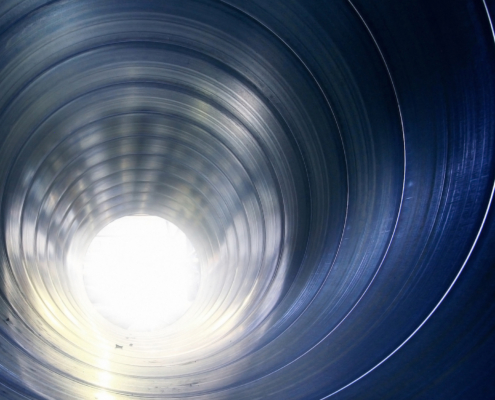
Proper handling, preparation, and installation practices guarantees your steel pipes deliver reliable water flow year after year. This guide will walk you through each part of the process, from prepping your used pipe to laying and aligning it in the field.

Why Installation Matters in Steel Pipe Irrigation Systems

Installing irrigation pipe isn’t just about laying it down and moving water. It involves planning, precision, and prep work that determines how well your system performs. If steel pipe is mishandled, misaligned, or poorly connected, you may face costly fixes later on. Understanding proper irrigation and pipe installation helps prevent leaks, corrosion, and flow disruptions. With used steel pipe, installation care becomes even more important, since the pipe has already seen action in another application. A smart install sets the tone for system longevity.

Step 1: Planning Your Irrigation Layout

Before anything goes into the ground, take time to map out your irrigation system. Whether it’s a surface system or subsurface, good planning makes sure materials are used efficiently, and water reaches the right places. Consider:

  • Elevation changes (to plan for gravity-fed vs. pressurized flow)
  • Crop or vegetation layout
  • Drainage needs and low points
  • Length of runs and required pipe diameter
  • Connection points to pumps or water sources

Sketch the layout and measure distances accurately. This will help you order the right amount of steel pipe and fittings without overspending.

Step 2: Preparing Used Steel Pipes for Installation

Used pipe needs some inspection and cleaning before it’s ready for the field. This step helps avoid surprises during installation and ensures safe, functional pipework. What to check:

  • Wall thickness: Confirm it’s suitable for your pressure and flow rate.
  • Surface rust: Light rust can be brushed or coated; deep pitting should be avoided.
  • Ends and edges: Look for cracks, sharp burrs, or dents.
  • Straightness: Pipes that roll cleanly and don’t bow are easier to align and joint.

Clean out any debris inside the pipe, especially if it’s been sitting in storage. A wire brush or power washer can help. Apply a protective coating to the exterior, especially for above-ground installations. This reduces corrosion risk and extends pipe life.

Step 3: Trenching and Site Prep

Next comes trenching. If you’re burying pipe, dig trenches to the correct depth for your region. In general, 18–24 inches is standard for agricultural irrigation lines, depending on frost lines and traffic above. Tips for effective trenching:

  • Make sure the trench is slightly wider than the pipe to allow for backfill movement.
  • Slope the trench for proper drainage or flow, especially in gravity-fed systems.
  • Use bedding material (like sand or gravel) at the bottom to provide uniform support.

For above-ground installations, level the path and create raised support areas to avoid pipe contact with soil, which can cause corrosion.

Step 4: Pipe Handling and Placement

Steel pipes are heavy. Always use proper lifting equipment: cranes, forklifts, or tractors with pipe hooks to move them into position safely. Avoid dragging pipes across hard surfaces or rocks, which can damage coatings or deform the ends. When placing pipe in a trench or on supports, ensure alignment with the intended layout. Misalignment at this stage leads to jointing problems and long-term system stress.

Step 5: Making Strong Pipe Connections

Joining steel pipes can be done in a few ways, depending on your system type and how permanent the installation is intended to be. Common methods include:

  • Welding: Offers the strongest seal but requires professional equipment and expertise. Best for permanent systems.
  • Threaded joints: Useful for short runs or systems that need to be disassembled or modified later.
  • Flange connections: Offer easy assembly and disassembly while maintaining a tight seal.
  • Couplers or sleeves: Quick to install and ideal for above-ground or low-pressure systems.

Make sure pipe ends are clean and aligned before joining. Misaligned joints can lead to leaks or pipe strain. Always use proper gaskets and sealants where needed.

Step 6: Corrosion Prevention During Installation

Even during installation, steel pipes are exposed to moisture, oxygen, and soil, all of which accelerate rust if left unchecked. Applying a protective coating after cleaning is essential, but ongoing prevention matters too. During installation:

  • Avoid placing pipes directly on soil; use blocks or bedding.
  • Cover exposed welds with rust inhibitor or primer.
  • Cap ends during pauses in installation to keep moisture and debris out.
  • Wrap underground joints with bitumen tape or protective sleeves.

If installing above ground, consider UV-resistant paint or an industrial-grade epoxy coating to reduce exposure-related wear.

Step 7: Backfilling or Securing the Pipe

Backfilling or securing it in place is the next step once the pipe is connected and pressure-tested (more on that shortly). For buried pipe:

  • Use clean fill like sand or screened soil to reduce abrasion.
  • Compact fill-in layers to avoid pipe shifting or settling.
  • Avoid large rocks or sharp materials that can damage the pipe surface.

For Surface Installations:

  • Anchor the pipe with brackets or saddles.
  • Install supports at regular intervals to prevent sagging.
  • Ensure the system is above flood risk or runoff paths.

Step 8: Pressure Testing and Flushing

Before full operation, test the system for leaks and pressure performance. This is your last chance to catch small mistakes before they become big problems. How to do it:

  • Seal all outlets and slowly fill the system with water.
  • Increase pressure gradually to the working level and hold it for at least 30 minutes.
  • Walk the system to check for leaks, bulges, or unusual sounds.
  • Flush the system afterward to remove any debris or loose rust particles before final use.

Step 9: Final Adjustments and Maintenance Planning

Once your system is installed and tested, inspect all valves, connection points, and supports one more time. Make sure everything is secure and easy to access for future maintenance. Start a maintenance log to track inspections, flushes, and any small repairs. For irrigation systems in active farming areas, seasonal checkups before planting and after harvest are recommended.

Steel Pipe Pros offers a full inventory of steel pipes ready for your irrigation system installation. We’ll help you select pipe that’s durable, tested, and prepared to perform in the field. Discover more.

Our Steel Pipe Inventory

Always Work with a Pro

While some landowners and contractors handle installation in-house, steel pipe installation is physically demanding and often complex. It’s always best to consult a professional installer, especially for welded joints, large systems, or high-pressure setups. They’ll ensure your irrigation and pipe installation meets functional and safety standards, so you can focus on the rest of your operation.

Pipe That Lasts, Service That Supports: Steel Pipe Pros Always Delivers

Irrigation pipe installation isn’t complicated when you follow proven steps. From site planning to pressure testing, every part of the process contributes to the long-term success of your system. Whether you’re irrigating crops or managing water across a wide property, steel pipe delivers reliability that other materials can’t match.

At SPP, we provide steel pipes that are ready for your irrigation pipe installation from day one. Our inventory is carefully stored, inspected, and built for long-term performance. Reach out today to get started.

Share This Post

  • Share on Facebook
  • Share on X
  • Share on Pinterest
  • Share on LinkedIn
  • Share on Tumblr
  • Share on Vk
  • Share on Reddit
  • Share by Mail

More Like This

8 Steps to Choosing the Right Agricultural Piping Supplier for Your Farm’s Needs

Industries, Steel Pipe
https://steelpipepros.com/wp-content/uploads/2025/11/8-Steps-to-Choosing-the-Right-Agricultural-Piping-Supplier-for-Your-Farms-Needs.jpg 1250 2000 Abstrakt Marketing /wp-content/uploads/2023/10/Steel-Pipe-Pros-Logo-1.svg Abstrakt Marketing2025-11-12 10:51:342026-08-13 11:01:488 Steps to Choosing the Right Agricultural Piping Supplier for Your Farm’s Needs

Buying Used Steel Culvert Pipes: What to Inspect Before You Purchase

Steel Pipe, Used Steel Pipes
https://steelpipepros.com/wp-content/uploads/2025/10/Buying-Used-Steel-Culvert-Pipes_-What-to-Inspect-Before-You-Purchase.jpg 1250 2000 Abstrakt Marketing /wp-content/uploads/2023/10/Steel-Pipe-Pros-Logo-1.svg Abstrakt Marketing2025-10-10 11:29:392026-08-13 11:01:49Buying Used Steel Culvert Pipes: What to Inspect Before You Purchase

Exploring Rust Removal Techniques for the Maximum Longevity of Used Steel Pipes

Steel Pipe
https://steelpipepros.com/wp-content/uploads/2025/06/Steel-pipes-with-rust.jpg 1250 2000 Abstrakt Marketing /wp-content/uploads/2023/10/Steel-Pipe-Pros-Logo-1.svg Abstrakt Marketing2025-06-23 10:05:132026-08-13 11:01:51Exploring Rust Removal Techniques for the Maximum Longevity of Used Steel Pipes
Worker measuring steel pipe

Thickness Selection: How to Size Used Steel Pipes for Your Next Project

Steel Pipe, Steel Pipe Selection
https://steelpipepros.com/wp-content/uploads/2025/06/Worker-measuring-steel-pipe-1.jpg 1250 2000 Abstrakt Marketing /wp-content/uploads/2023/10/Steel-Pipe-Pros-Logo-1.svg Abstrakt Marketing2025-06-09 14:26:152026-08-13 11:01:52Thickness Selection: How to Size Used Steel Pipes for Your Next Project
An Overview of Pipe Strength Testing

An Overview of Pipe Strength Testing

Steel Pipe
https://steelpipepros.com/wp-content/uploads/2025/05/An-Overview-of-Pipe-Strength-Testing.jpg 1250 2000 Abstrakt Marketing /wp-content/uploads/2023/10/Steel-Pipe-Pros-Logo-1.svg Abstrakt Marketing2025-05-21 07:53:072026-08-13 11:01:52An Overview of Pipe Strength Testing
Steel pipes stacked on top of each other

Can My Project Use Steel Pipes for Plumbing and Water Supply Support?

Plumbing, Steel Pipe
https://steelpipepros.com/wp-content/uploads/2025/05/Steel-pipes-stacked-on-top-of-each-other.jpg 1250 2000 Abstrakt Marketing /wp-content/uploads/2023/10/Steel-Pipe-Pros-Logo-1.svg Abstrakt Marketing2025-05-20 10:20:082026-08-13 11:01:53Can My Project Use Steel Pipes for Plumbing and Water Supply Support?
Steel pipes stacked in lot

The Environmental Benefits of Choosing Used Steel Pipes

Steel Pipe, Used Steel Pipes
https://steelpipepros.com/wp-content/uploads/2025/02/Steel-pipes-stacked-in-lot.jpg 1250 2000 Abstrakt Marketing /wp-content/uploads/2023/10/Steel-Pipe-Pros-Logo-1.svg Abstrakt Marketing2025-02-25 09:06:162026-08-13 11:01:55The Environmental Benefits of Choosing Used Steel Pipes
Front view of a stack of steel pipes

What to Look for When Choosing Steel Pipes: Identifying the Right Piping Material

Steel Pipe
https://steelpipepros.com/wp-content/uploads/2024/08/Front-view-of-a-stack-of-steel-pipes.jpg 1250 2000 Abstrakt Marketing /wp-content/uploads/2023/10/Steel-Pipe-Pros-Logo-1.svg Abstrakt Marketing2024-08-22 11:14:582026-08-13 11:01:57What to Look for When Choosing Steel Pipes: Identifying the Right Piping Material
Bundles of steel pipes in a warehouse

Surplus Steel Pipe vs. New Steel: Selecting the Best Option

Steel Pipe
https://steelpipepros.com/wp-content/uploads/2024/08/Bundles-of-steel-pipes-in-a-warehouse.jpg 1250 2000 Abstrakt Marketing /wp-content/uploads/2023/10/Steel-Pipe-Pros-Logo-1.svg Abstrakt Marketing2024-08-20 16:57:512026-08-13 11:01:58Surplus Steel Pipe vs. New Steel: Selecting the Best Option
Previous Previous Previous Next Next Next

Categories

  • Culvert Pipes
  • Industries
  • Irrigation
  • NRCS
  • NRCS Funding
  • Plumbing
  • Steel Pipe
  • Steel Pipe Purchasing
  • Steel Pipe Selection
  • Tanker Shell Culverts
  • Testing Used Steel
  • Used Steel Pipes

Contact Us

"*" indicates required fields

Location

Address
1536 North Broadway
St. Louis, MO 63102

Get In Touch

Phone
314-325-6181

Email
kyle@steelpipepros.com
brian@steelpipepros.com

Social
LinkedIn

Services

Steel Solutions

Pipe and Tube Supply

Used Steel Pipe

New Surplus Pipe

Tank Shell Culverts

About Us

We are the go-to supplier of steel pipe products and solutions nationwide.

Contact Us
Website by Abstrakt Marketing Group ©
  • Sitemap
  • Privacy Policy
Link to: Steel Pipes for Irrigation: A Cost-Effective Solution Link to: Steel Pipes for Irrigation: A Cost-Effective Solution Steel Pipes for Irrigation: A Cost-Effective SolutionSteel Pipes for Irrigation: A Cost-Effective Solution Link to: Irrigation Pipe Maintenance and Inspections: Everything You Need to Know Link to: Irrigation Pipe Maintenance and Inspections: Everything You Need to Know Irrigation Pipe Maintenance and Inspections: Everything You Need to KnowIrrigation Pipe Maintenance and Inspections: Everything You Need to Know
Scroll to top Scroll to top Scroll to top

This site uses cookies. By continuing to browse the site, you are agreeing to our use of cookies.

AcceptLearn more

Cookie and Privacy Settings


How we use cookies

We may request cookies to be set on your device. We use cookies to let us know when you visit our websites, how you interact with us, to enrich your user experience, and to customize your relationship with our website.

Click on the different category headings to find out more. You can also change some of your preferences. Note that blocking some types of cookies may impact your experience on our websites and the services we are able to offer.

Essential Website Cookies

These cookies are strictly necessary to provide you with services available through our website and to use some of its features.

Because these cookies are strictly necessary to deliver the website, refusing them will have impact how our site functions. You always can block or delete cookies by changing your browser settings and force blocking all cookies on this website. But this will always prompt you to accept/refuse cookies when revisiting our site.

We fully respect if you want to refuse cookies but to avoid asking you again and again kindly allow us to store a cookie for that. You are free to opt out any time or opt in for other cookies to get a better experience. If you refuse cookies we will remove all set cookies in our domain.

We provide you with a list of stored cookies on your computer in our domain so you can check what we stored. Due to security reasons we are not able to show or modify cookies from other domains. You can check these in your browser security settings.

Other external services

We also use different external services like Google Webfonts, Google Maps, and external Video providers. Since these providers may collect personal data like your IP address we allow you to block them here. Please be aware that this might heavily reduce the functionality and appearance of our site. Changes will take effect once you reload the page.

Google Webfont Settings:

Google Map Settings:

Google reCaptcha Settings:

Vimeo and Youtube video embeds:

Accept settingsHide notification only