• Steel Solutions
    • Pipe and Tube Supply
      • Used Steel Pipe
      • New Surplus Pipe
    • Tanker Shell Culverts
    • Pumps & Pump Controls
  • Resources
    • Quotes
    • Specials
    • Blog
  • About Us
    • Industries We Serve
      • Agriculture
    • Areas We Serve
      • Arkansas
      • Illinois
      • Louisiana
      • Missouri
  • Contact
  • Menu Menu

Steel Pipes for Irrigation: A Cost-Effective Solution

Irrigation is the backbone of agriculture, landscaping, and land development. Whether you’re feeding crops, maintaining green spaces, or managing water flow for drainage, having the right materials in place makes all the difference. For professionals looking to strike a balance between performance and price, steel pipes are proving to be one of the smartest investments.
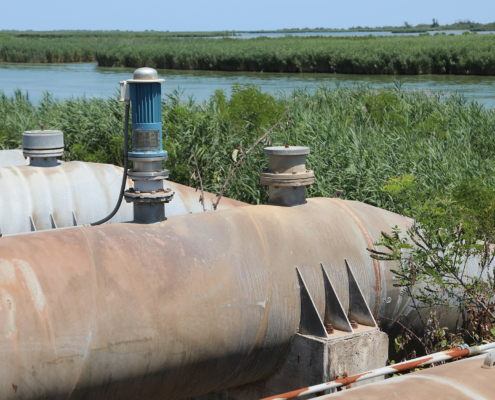
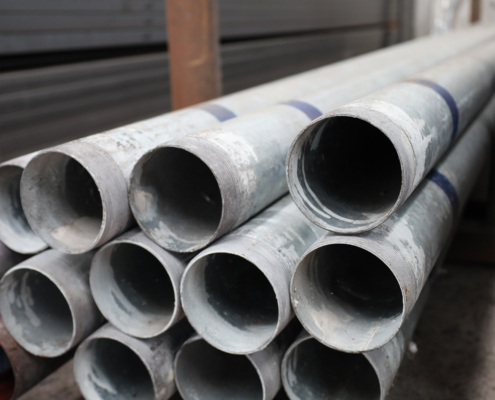
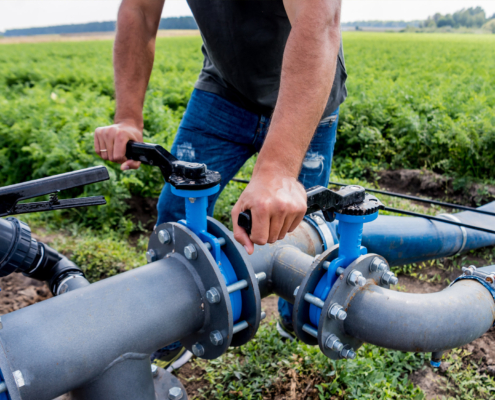
Used steel pipes, in particular, are becoming a go-to choice for irrigation infrastructure. With their strength, longevity, and impressive cost savings, they offer a solution that supports your project’s needs today and stands strong for years to come.

Why Steel Pipes Make Sense for Irrigation Projects

Water management systems need to be tough. They deal with shifting ground, pressure changes, sediment buildup, and daily exposure to weather. While PVC or corrugated plastic might seem like an easy fix upfront, they can break down much faster under those conditions. Steel pipes, especially used ones that have already proven their strength, are up to the challenge. They’re affordable, widely available, and strong enough to handle real-world irrigation pressures, whether moving water across a field or draining it away from a job site.

Used Steel Pipes: Reliable, Durable, and Easy on the Budget

Used steel pipes offer one of the best returns on investment in irrigation. These pipes are reclaimed from other industrial applications and repurposed for a second life. Before they hit the market, they’re inspected and often cleaned or coated for durability.

Because they’re already manufactured and in circulation, used steel pipes cost significantly less than new ones, and often less than high-grade PVC systems. The savings apply across the board: materials, transport, installation, and maintenance. The best part? You don’t have to sacrifice strength or performance to get the savings.

The Durability Advantage Over PVC and Corrugated Pipe

Plastic and corrugated pipes have their place, but they wear out faster, especially when exposed to UV rays, physical impacts, or heavy loads. In contrast, steel pipes in the irrigation sector can last for decades, even in harsh environments.

Steel doesn’t collapse under pressure from heavy equipment or shifting soil. It resists punctures from roots and debris, and it handles both low- and high-pressure systems with ease. When compared side-by-side, steel pipes last significantly longer than PVC or corrugated alternatives, which often require replacement after a few seasons. For farmers and landowners who want to build once and build right, steel is a clear winner.

Typical Lifespan of Used Steel Pipes in the Irrigation Field

On average, a used steel pipe that’s properly cleaned and stored can last 25 to 50 years in an irrigation setting. That lifespan depends on a few variables: soil type, climate, water chemistry, and whether the pipe is buried or above ground. Pipes with protective coatings can resist rust and corrosion for even longer. Above-ground pipes benefit from occasional maintenance, while buried pipes are protected from direct exposure to UV and temperature swings.

This level of longevity is hard to match with non-metal options. For those managing long-term projects or multigeneration farms, steel delivers peace of mind.

Types of Irrigation Where Steel Pipe Performs Best

Steel pipes are adaptable and can be used in nearly every kind of irrigation system. From precision agriculture to commercial landscaping, these pipes support consistent water delivery where and when it’s needed.

  • Surface Irrigation Systems: Steel pipes are excellent for transporting water across large fields. Their strength allows for above-ground or shallow trench installations without worrying about pipe collapse or warping over time.
  • Drip and Micro-Irrigation Lines: Main supply lines made from steel pipe provide a stable source of water to connect drip tubing. They help regulate pressure and reduce the chances of blowouts or leaks.
  • Sprinkler and Pivot Irrigation: Used steel pipes can handle high-pressure demands from center pivots and large sprinkler arrays. Their resistance to vibration and pressure surges keeps systems running efficiently with fewer breakdowns.
  • Drainage Systems: Whether you’re moving excess water from a field or controlling runoff in a developed area, steel pipes double as long-lasting drainage solutions.

How Used Steel Pipes Help Save on Installation

Steel pipes are heavier than plastic, but that’s not a drawback. It often means you need fewer supports and less backfilling. Their rigidity also allows for straighter runs with fewer adjustments during the install. Plus, with used steel pipe, you’re more likely to find longer lengths and wider diameters at lower prices, reducing the number of connections you need to make. That lowers both material and labor costs during installation. Many suppliers offer cutting and threading services before delivery, which streamlines setup even further.

Maintenance Tips for Long-Term Performance

Steel pipes don’t need much maintenance to stay functional, but a little attention goes a long way. Here’s how to keep your irrigation system working for years:

  • Check for rust spots annually. Apply rust-inhibiting paint or spray where needed.
  • Clear sediment buildup in low spots. This helps maintain consistent flow and prevents internal pressure spikes.
  • Inspect connections and welds. Make sure joints stay tight and leak-free, especially after winter or heavy storms.
  • Flush systems regularly. Especially in agricultural irrigation, flushing prevents buildup from fertilizer or silt.
  • Recoat exposed pipe ends. This small step can prevent surface rust in high-humidity areas.

Compared to plastic systems that crack and wear quickly, steel requires less frequent repair and fewer part replacements, making it the more hands-off option in the long run.

We supply tested, high-quality steel pipes for irrigation projects of every size. Whether you need a few hundred feet or a few miles, we’ve got the pipe to keep your system flowing strong. Check out more.

Steel Solutions for Irrigation

Real-World Irrigation Applications That Benefit from Steel Pipe Usage

The versatility of steel pipe shows up in the field. Here’s where it shines:

  • Large-Scale Farming: Fields that span dozens or hundreds of acres benefit from the long runs and durability of steel. These systems are designed to last across seasons and crop rotations.
  • Orchards and Vineyards: Steel mainlines distribute water reliably without the risk of pipe degradation in high-heat or chemical-rich environments. Tree and vine roots are also less likely to penetrate steel pipes.
  • Ranch and Livestock Operations: Used steel pipes aren’t just for irrigation; they work for watering troughs, flood control, and even fencing. Their multifunctionality makes them a great investment for working farms.
  • Golf Courses and Sports Fields: Steel irrigation pipes handle varying pressure zones and constant exposure while maintaining uniform delivery across turf and landscaped areas.

Environmental and Economic Benefits of Reusing Steel

Choosing used steel pipes doesn’t just save money. It’s also a smart environmental move. By reusing high-quality material, you help reduce the demand for new manufacturing and minimize waste. This makes steel pipe usage a sustainable choice. Instead of sending perfectly usable pipe to the scrapyard, it’s redirected into agricultural and landscaping projects where it can continue delivering value.

Considerations When Choosing Used Steel Pipes for Irrigation

Not every used pipe is the same. Before buying, make sure the pipe has been inspected and meets your project’s pressure and diameter requirements. Here’s what to look for:

  • Wall Thickness: Thicker walls offer better durability, especially for pressurized systems.
  • Coatings: Epoxy, galvanized, or oil-based coatings protect from rust and chemical exposure.
  • Condition: Avoid pipes with heavy pitting, internal rust, or weld damage.
  • Supplier Reputation: Work with sellers who test and grade their inventory for irrigation suitability.

Built to Last. Priced to Move. Ready for the Field. Partner With SPP Today

At Steel Pipe Pros, we provide strong, reliable steel pipes for irrigation systems across agriculture, landscaping, and beyond. Our steel pipe inventory is inspected for performance and priced to help you save. Reach out today to get the materials that match your vision.

Share This Post

  • Share on Facebook
  • Share on X
  • Share on Pinterest
  • Share on LinkedIn
  • Share on Tumblr
  • Share on Vk
  • Share on Reddit
  • Share by Mail

More Like This

How to Improve Your Infrastructure With NRCS Irrigation System Funding

Irrigation, NRCS
https://steelpipepros.com/wp-content/uploads/2025/08/Using-NRCS-Funding-to-Improve-Your-Irrigation-System-with-Steel-Pipe.jpg 1250 2000 Abstrakt Marketing /wp-content/uploads/2023/10/Steel-Pipe-Pros-Logo-1.svg Abstrakt Marketing2025-08-21 15:56:332026-08-13 11:01:50How to Improve Your Infrastructure With NRCS Irrigation System Funding

How NRCS Can Help You Fund Steel Pipe Purchases for Irrigation Systems

Irrigation, NRCS
https://steelpipepros.com/wp-content/uploads/2025/08/How-NRCS-Can-Help-You-Fund-Steel-Pipe-Purchases-for-Irrigation-Systems.jpg 1250 2000 Abstrakt Marketing /wp-content/uploads/2023/10/Steel-Pipe-Pros-Logo-1.svg Abstrakt Marketing2025-08-21 15:47:412026-08-13 11:01:50How NRCS Can Help You Fund Steel Pipe Purchases for Irrigation Systems
Irrigation Pipe Maintenance and Inspections: Everything You Need to Know

Irrigation Pipe Maintenance and Inspections: Everything You Need to Know

Irrigation
https://steelpipepros.com/wp-content/uploads/2025/08/Irrigation-Pipe-Maintenance-and-Inspections-Everything-You-Need-to-Know.jpg 1250 2000 Abstrakt Marketing /wp-content/uploads/2023/10/Steel-Pipe-Pros-Logo-1.svg Abstrakt Marketing2025-08-12 11:01:352026-08-13 11:01:50Irrigation Pipe Maintenance and Inspections: Everything You Need to Know

Categories

  • Culvert Pipes
  • Industries
  • Irrigation
  • NRCS
  • NRCS Funding
  • Plumbing
  • Steel Pipe
  • Steel Pipe Purchasing
  • Steel Pipe Selection
  • Tanker Shell Culverts
  • Testing Used Steel
  • Used Steel Pipes

Contact Us

"*" indicates required fields

Location

Address
1536 North Broadway
St. Louis, MO 63102

Get In Touch

Phone
314-325-6181

Email
kyle@steelpipepros.com
brian@steelpipepros.com

Social
LinkedIn

Services

Steel Solutions

Pipe and Tube Supply

Used Steel Pipe

New Surplus Pipe

Tank Shell Culverts

About Us

We are the go-to supplier of steel pipe products and solutions nationwide.

Contact Us
Website by Abstrakt Marketing Group ©
  • Sitemap
  • Privacy Policy
Link to: Industrial Uses and Applications for Used Steel Pipes: Benefits and Considerations Link to: Industrial Uses and Applications for Used Steel Pipes: Benefits and Considerations Industrial Uses and Applications for Used Steel Pipes: Benefits and Consid...Industrial Uses and Applications for Used Steel Pipes: Benefits and Considerations Link to: A Guide to Irrigation and Pipe Installation: Best Practices and Tips Link to: A Guide to Irrigation and Pipe Installation: Best Practices and Tips A Guide to Irrigation and Pipe Installation: Best Practices and Tips
Scroll to top Scroll to top Scroll to top

This site uses cookies. By continuing to browse the site, you are agreeing to our use of cookies.

AcceptLearn more

Cookie and Privacy Settings


How we use cookies

We may request cookies to be set on your device. We use cookies to let us know when you visit our websites, how you interact with us, to enrich your user experience, and to customize your relationship with our website.

Click on the different category headings to find out more. You can also change some of your preferences. Note that blocking some types of cookies may impact your experience on our websites and the services we are able to offer.

Essential Website Cookies

These cookies are strictly necessary to provide you with services available through our website and to use some of its features.

Because these cookies are strictly necessary to deliver the website, refusing them will have impact how our site functions. You always can block or delete cookies by changing your browser settings and force blocking all cookies on this website. But this will always prompt you to accept/refuse cookies when revisiting our site.

We fully respect if you want to refuse cookies but to avoid asking you again and again kindly allow us to store a cookie for that. You are free to opt out any time or opt in for other cookies to get a better experience. If you refuse cookies we will remove all set cookies in our domain.

We provide you with a list of stored cookies on your computer in our domain so you can check what we stored. Due to security reasons we are not able to show or modify cookies from other domains. You can check these in your browser security settings.

Other external services

We also use different external services like Google Webfonts, Google Maps, and external Video providers. Since these providers may collect personal data like your IP address we allow you to block them here. Please be aware that this might heavily reduce the functionality and appearance of our site. Changes will take effect once you reload the page.

Google Webfont Settings:

Google Map Settings:

Google reCaptcha Settings:

Vimeo and Youtube video embeds:

Accept settingsHide notification only