• Steel Solutions
    • Pipe and Tube Supply
      • Used Steel Pipe
      • New Surplus Pipe
    • Tanker Shell Culverts
    • Pumps & Pump Controls
  • Resources
    • Quotes
    • Specials
    • Blog
  • About Us
    • Industries We Serve
      • Agriculture
    • Areas We Serve
      • Arkansas
      • Illinois
      • Louisiana
      • Missouri
  • Contact
  • Menu Menu

The Complete Guide Covering Tank Shell Sizes

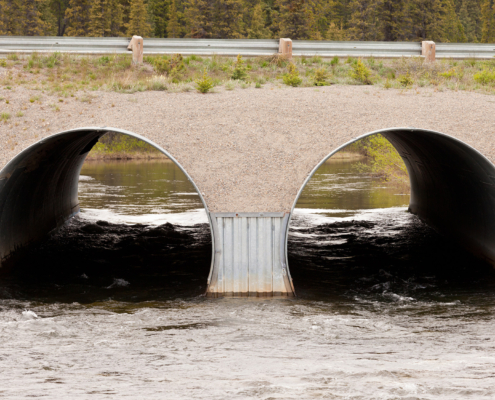
The world of tank design is vast and diverse, with tank shells playing a crucial role in determining the functionality and efficiency of storage and transportation systems. Among the myriad of tank shell sizes, the 8ft, 9ft, and 10ft diameters stand out for their versatility and widespread applications. In this comprehensive blog, we will delve into the characteristics and uses of these specific tank shell sizes, shedding light on their importance in different industries.

Understanding Tank Shell Sizes

Tank shell sizes are critical parameters that influence the capacity, stability, and efficiency of tanks used in various applications. The diameter of the tank shell is a key factor, directly impacting the volume it can hold and the space it occupies. Three common diameters, namely 8ft, 9ft, and 10ft find extensive use across industries due to their optimal balance between capacity and practicality.

8 ft. Diameter Tank Shells

Applications

  • Agricultural Storage: 8 ft. diameter tank shells are commonly used in agriculture for storing liquid fertilizers, pesticides, and water. Their compact size makes them suitable for farms with limited space.
  • Residential Propane Tanks: Residential properties often utilize 8 ft. diameter tank shells for propane storage. These tanks efficiently provide fuel for heating and cooking while maintaining a manageable footprint.

Advantages

  • Space Efficiency: The smaller footprint of 8 ft. diameter tank shells makes them ideal for installations where space is a constraint.
  • Versatility: Agricultural and residential applications benefit from the versatility of 8 ft. diameter tanks, providing efficient storage solutions.

9 ft. Diameter Tank Shells

Applications

  • Industrial Chemical Storage: The 9 ft. diameter is often preferred in industrial settings for storing chemicals and hazardous materials due to its moderate size and capacity.
  • Water Treatment Facilities: Municipal water treatment plants utilize 9 ft. diameter tank shells to store treated water efficiently, accommodating the demands of growing populations.

Advantages

  • Moderate Capacity: The 9 ft. diameter balances space efficiency and capacity, making it suitable for various industrial and municipal applications.
  • Structural Stability: The slightly larger diameter enhances stability, making 9 ft. diameter tanks robust and reliable for various uses.

10 ft. Diameter Tank Shells

Applications

  • Petroleum Storage: The oil and gas industry often employs 10 ft. diameter tank shells for storing petroleum products. The larger diameter allows for substantial storage capacity, meeting the demands of the industry.
  • Industrial Liquid Storage: 10-foot diameter tanks are used in a wide range of industrial applications, including the storage of liquid chemicals, solvents, and various raw materials.

Advantages

  • High Capacity: The 10 ft. diameter provides significant storage capacity, making it an ideal choice for industries with substantial storage requirements.
  • Cost-Effective: Compared to larger tank diameters, 10ft diameter tanks offer a cost-effective solution without compromising capacity or stability.

Considerations When Choosing Tank Shell Sizes

  • Space Constraints: Assess the available space for tank installation, ensuring that the chosen diameter fits seamlessly within the designated area.
  • Capacity Requirements: Determine the required storage capacity for your specific application, balancing it with the available space and budget constraints.
  • Regulatory Compliance: Ensure that the chosen tank shell size complies with industry regulations and safety standards, particularly when storing hazardous materials.
  • Future Expansion: Anticipate future needs and consider whether the selected tank shell size allows for potential expansion or modifications to accommodate changing requirements.

Looking for the perfect tanker shell solution for your project? We’ve got you covered with various tank shell sizesat Steel Pipe Pros.

Our Tank Shell Culverts

Signs That You Have the Wrong Tank Shell Size

  • Insufficient Storage Capacity: If you consistently find that your tank is reaching full capacity too quickly, it may be an indicator that the tank shell size is too small for your project’s requirements.
  • Inefficient Space Utilization: Poor space utilization, with excessive unused or wasted space around the tank, suggests that the tank shell size may be larger than necessary, leading to inefficient use of the available area.
  • Structural Instability: Noticeable instability, including leaning or bulging, may signal that the tank shell size is not appropriately matched to the stored material, leading to structural issues.
  • Frequent Refills or Reloads: If your tank requires frequent refills or reloads, it indicates that the current tank shell size is insufficient to meet the demand, disrupting operational efficiency.
  • Non-Compliance with Regulations: Failure to comply with industry regulations and safety standards may indicate that the chosen tank shell size does not meet the required specifications for your specific application.
  • Inadequate Expansion Options: Suppose your project’s future needs require additional storage capacity, and the existing tank shell size cannot accommodate expansion or modifications. In that case, it suggests an initial oversight in selecting the appropriate size.
  • Increased Maintenance Costs: Higher-than-expected maintenance costs, including repairs and replacements, may indicate that the tank shell size is unsuitable for storing material, leading to accelerated wear and tear.
  • Inconsistent Performance: Uneven or inconsistent performance in terms of fluid levels, pressure, or flow could indicate that the tank shell size is not optimized for the intended application, affecting overall system functionality.

Benefits of Quality Tank Shells for Any Application

  • Enhanced Durability: Quality tank shells ensure longevity and resistance to wear and corrosion, minimizing the need for frequent replacements.
  • Optimal Storage Capacity: Well-constructed tank shells provide accurate and efficient storage capacity, preventing underutilization or overloading issues.
  • Structural Stability: High-quality tank shells contribute to structural stability, minimizing the risk of leaning, bulging, or other integrity issues.
  • Compliance With Regulations: Tanks with quality shells adhere to industry regulations and safety standards, ensuring a secure and compliant storage solution.
  • Cost-Effective Operation: Quality tank shells reduce maintenance costs and operational disruptions, offering a cost-effective and reliable storage solution.

Partner With Steel Pipe Pros for a Vast Selection of Tank Shell Sizes Today

Partnering with Steel Pipe Pros for tank shells guarantees unmatched quality and reliability. Our diverse inventory includes tank shells of various sizes, ensuring a perfect fit for your project. With a commitment to excellence, we provide cost-effective solutions, expert guidance, and on-time deliveries, making us your trusted ally in tank infrastructure.

Share This Post

  • Share on Facebook
  • Share on X
  • Share on Pinterest
  • Share on LinkedIn
  • Share on Tumblr
  • Share on Vk
  • Share on Reddit
  • Share by Mail

More Like This

8 Steps to Choosing the Right Agricultural Piping Supplier for Your Farm’s Needs

Industries, Steel Pipe
Finding the right agricultural piping supplier sets you up for success. Learn how to choose a partner who delivers durability, cost‑savings, and service.
November 12, 2025
https://steelpipepros.com/wp-content/uploads/2025/11/8-Steps-to-Choosing-the-Right-Agricultural-Piping-Supplier-for-Your-Farms-Needs.jpg 1250 2000 Abstrakt Marketing /wp-content/uploads/2023/10/Steel-Pipe-Pros-Logo-1.svg Abstrakt Marketing2025-11-12 10:51:342026-08-13 11:01:488 Steps to Choosing the Right Agricultural Piping Supplier for Your Farm’s Needs

Buying Used Steel Culvert Pipes: What to Inspect Before You Purchase

Steel Pipe, Used Steel Pipes
 Learn how to inspect a used steel culvert before purchase. Follow our checklist for corrosion, thickness, shape, coatings, and trusted sourcing.
October 10, 2025
https://steelpipepros.com/wp-content/uploads/2025/10/Buying-Used-Steel-Culvert-Pipes_-What-to-Inspect-Before-You-Purchase.jpg 1250 2000 Abstrakt Marketing /wp-content/uploads/2023/10/Steel-Pipe-Pros-Logo-1.svg Abstrakt Marketing2025-10-10 11:29:392026-08-13 11:01:49Buying Used Steel Culvert Pipes: What to Inspect Before You Purchase

A Guide to Irrigation and Pipe Installation: Best Practices and Tips

Steel Pipe
Irrigation and pipe installation requires planning for long-lasting performance. Learn best practices for installing steel pipes in your irrigation system.
August 12, 2025
https://steelpipepros.com/wp-content/uploads/2025/08/A-Guide-to-Irrigation-and-Pipe-Installation_-Best-Practices-and-Tips_.jpg 1250 2000 Abstrakt Marketing /wp-content/uploads/2023/10/Steel-Pipe-Pros-Logo-1.svg Abstrakt Marketing2025-08-12 10:52:492026-08-13 11:01:50A Guide to Irrigation and Pipe Installation: Best Practices and Tips

Exploring Rust Removal Techniques for the Maximum Longevity of Used Steel Pipes

Steel Pipe
Rust removal improves the lifespan of used steel pipes. Learn safe methods to clean, treat, and maintain your steel to keep it strong and corrosion-free.
June 23, 2025
https://steelpipepros.com/wp-content/uploads/2025/06/Steel-pipes-with-rust.jpg 1250 2000 Abstrakt Marketing /wp-content/uploads/2023/10/Steel-Pipe-Pros-Logo-1.svg Abstrakt Marketing2025-06-23 10:05:132026-08-13 11:01:51Exploring Rust Removal Techniques for the Maximum Longevity of Used Steel Pipes
Worker measuring steel pipe

Thickness Selection: How to Size Used Steel Pipes for Your Next Project

Steel Pipe, Steel Pipe Selection
Thickness selection is crucial when buying used steel pipes. Learn how wall thickness impacts performance, safety, and cost in different projects.
June 9, 2025
https://steelpipepros.com/wp-content/uploads/2025/06/Worker-measuring-steel-pipe-1.jpg 1250 2000 Abstrakt Marketing /wp-content/uploads/2023/10/Steel-Pipe-Pros-Logo-1.svg Abstrakt Marketing2025-06-09 14:26:152026-08-13 11:01:52Thickness Selection: How to Size Used Steel Pipes for Your Next Project
An Overview of Pipe Strength Testing

An Overview of Pipe Strength Testing

Steel Pipe
 Pipe strength testing ensures the steel pipe is safe and reliable. Learn the top tests and tips to know if your pipe is ready for tough, high-stress jobs.
May 21, 2025
https://steelpipepros.com/wp-content/uploads/2025/05/An-Overview-of-Pipe-Strength-Testing.jpg 1250 2000 Abstrakt Marketing /wp-content/uploads/2023/10/Steel-Pipe-Pros-Logo-1.svg Abstrakt Marketing2025-05-21 07:53:072026-08-13 11:01:52An Overview of Pipe Strength Testing
Steel pipes stacked on top of each other

Can My Project Use Steel Pipes for Plumbing and Water Supply Support?

Plumbing, Steel Pipe
Steel pipes for plumbing are durable and reliable. Learn how used steel pipes can be safely treated for water use in industrial buildings and farm systems.
May 20, 2025
https://steelpipepros.com/wp-content/uploads/2025/05/Steel-pipes-stacked-on-top-of-each-other.jpg 1250 2000 Abstrakt Marketing /wp-content/uploads/2023/10/Steel-Pipe-Pros-Logo-1.svg Abstrakt Marketing2025-05-20 10:20:082026-08-13 11:01:53Can My Project Use Steel Pipes for Plumbing and Water Supply Support?
Steel pipes stacked in lot

The Environmental Benefits of Choosing Used Steel Pipes

Steel Pipe, Used Steel Pipes
Discover how used steel pipes reduce waste, conserve resources, and support sustainability in industries across the United States.
February 25, 2025
https://steelpipepros.com/wp-content/uploads/2025/02/Steel-pipes-stacked-in-lot.jpg 1250 2000 Abstrakt Marketing /wp-content/uploads/2023/10/Steel-Pipe-Pros-Logo-1.svg Abstrakt Marketing2025-02-25 09:06:162026-08-13 11:01:55The Environmental Benefits of Choosing Used Steel Pipes
Front view of a stack of steel pipes

What to Look for When Choosing Steel Pipes: Identifying the Right Piping Material

Steel Pipe
With many piping materials available, it can be difficult to choose the type best suited for your project. Follow this helpful guide for considerations.
August 22, 2024
https://steelpipepros.com/wp-content/uploads/2024/08/Front-view-of-a-stack-of-steel-pipes.jpg 1250 2000 Abstrakt Marketing /wp-content/uploads/2023/10/Steel-Pipe-Pros-Logo-1.svg Abstrakt Marketing2024-08-22 11:14:582026-08-13 11:01:57What to Look for When Choosing Steel Pipes: Identifying the Right Piping Material
Previous Previous Previous Next Next Next

Categories

  • Culvert Pipes
  • Industries
  • Irrigation
  • NRCS
  • NRCS Funding
  • Plumbing
  • Steel Pipe
  • Steel Pipe Purchasing
  • Steel Pipe Selection
  • Tanker Shell Culverts
  • Testing Used Steel
  • Used Steel Pipes

Contact Us

"*" indicates required fields

Location

Address
1536 North Broadway
St. Louis, MO 63102

Get In Touch

Phone
314-325-6181

Email
kyle@steelpipepros.com
brian@steelpipepros.com

Social
LinkedIn

Services

Steel Solutions

Pipe and Tube Supply

Used Steel Pipe

New Surplus Pipe

Tank Shell Culverts

About Us

We are the go-to supplier of steel pipe products and solutions nationwide.

Contact Us
Website by Abstrakt Marketing Group ©
  • Sitemap
  • Privacy Policy
Link to: A Guide to the New Applications of Steel Pipe Link to: A Guide to the New Applications of Steel Pipe A Guide to the New Applications of Steel PipeSide view of steel pipe bundles Link to: The Basics of Buying Steel Pipe Link to: The Basics of Buying Steel Pipe Abstract background of steel pipes stacked on a palletThe Basics of Buying Steel Pipe
Scroll to top Scroll to top Scroll to top

This site uses cookies. By continuing to browse the site, you are agreeing to our use of cookies.

AcceptLearn more

Cookie and Privacy Settings


How we use cookies

We may request cookies to be set on your device. We use cookies to let us know when you visit our websites, how you interact with us, to enrich your user experience, and to customize your relationship with our website.

Click on the different category headings to find out more. You can also change some of your preferences. Note that blocking some types of cookies may impact your experience on our websites and the services we are able to offer.

Essential Website Cookies

These cookies are strictly necessary to provide you with services available through our website and to use some of its features.

Because these cookies are strictly necessary to deliver the website, refusing them will have impact how our site functions. You always can block or delete cookies by changing your browser settings and force blocking all cookies on this website. But this will always prompt you to accept/refuse cookies when revisiting our site.

We fully respect if you want to refuse cookies but to avoid asking you again and again kindly allow us to store a cookie for that. You are free to opt out any time or opt in for other cookies to get a better experience. If you refuse cookies we will remove all set cookies in our domain.

We provide you with a list of stored cookies on your computer in our domain so you can check what we stored. Due to security reasons we are not able to show or modify cookies from other domains. You can check these in your browser security settings.

Other external services

We also use different external services like Google Webfonts, Google Maps, and external Video providers. Since these providers may collect personal data like your IP address we allow you to block them here. Please be aware that this might heavily reduce the functionality and appearance of our site. Changes will take effect once you reload the page.

Google Webfont Settings:

Google Map Settings:

Google reCaptcha Settings:

Vimeo and Youtube video embeds:

Accept settingsHide notification only