• Steel Solutions
    • Pipe and Tube Supply
      • Used Steel Pipe
      • New Surplus Pipe
    • Tanker Shell Culverts
    • Pumps & Pump Controls
  • Resources
    • Quotes
    • Specials
    • Blog
  • About Us
    • Industries We Serve
      • Agriculture
    • Areas We Serve
      • Arkansas
      • Illinois
      • Louisiana
      • Missouri
  • Contact
  • Menu Menu

Navigating Regulatory Compliance in Tank Shell Culvert Construction

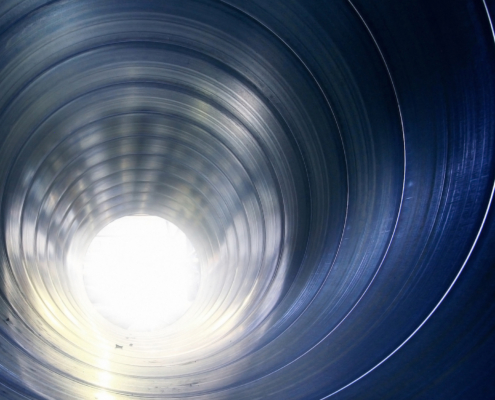
It can be easy to drive down a highway or walk through a city park without taking even a moment to consider all the high-tech infrastructure you are surrounded by. Tank shell culvertsare one of the driving construction agents that make our concrete jungles possible. In this guide, we’ll look at all the compliance and regulatory factors involved throughout the tank shell culvert construction process.
5 Standards and Requirements for Culvert Construction

In the United States, regulatory compliance for culvert construction typically falls under the umbrella of several agencies, including the American Society of Civil Engineers (ASCE), the American Concrete Institute (ACI), the Occupational Safety and Health Administration (OSHA), and various state and local building departments. These organizations monitor and enforce several standards:

  1. Structural Design Standards: Tank shell culverts must be designed to withstand the loads they will encounter during their service life, including traffic loads, earth pressures, and hydraulic forces.
  2. Material Specifications: The materials used in tank shell culvert construction must meet certain specifications to ensure durability and resistance to corrosion or degradation over time. Common materials include reinforced concrete, corrugated metal, and high-density polyethylene (HDPE).
  3. Construction Practices: Installing a culvert requires adherence to specific practices to ensure proper functionality. These include proper site preparation, excavation techniques, reinforcement placement, concrete pouring methods, and joint sealing procedures.
  4. Environmental Regulations: Construction projects involving culvert parts must comply with environmental regulations to mitigate potential impacts on natural ecosystems and water resources. This may include obtaining permits for stormwater management, erosion control measures, and adherence to wetland protection guidelines.
  5. Safety Standards: OSHA regulations are essential to protect workers from culvert construction hazards. This includes providing proper personal protective equipment (PPE), implementing safety protocols for working at heights and in confined spaces, and ensuring adequate training for construction personnel.

Challenges and Solutions Involved in Culvert Construction

Despite the existence of regulatory frameworks and standards, challenges may arise during tank shell culvert construction projects. These challenges could include budget constraints, logistical complexities, unforeseen site conditions, and evolving regulatory requirements.

Solutions

Adopt proactive approaches such as thorough project planning, regular inspections, ongoing communication with regulatory agencies, and continuous personnel training. Additionally, leveraging technological advancements such as Building Information Modeling (BIM) and advanced construction materials can enhance efficiency and accuracy in culvert construction while maintaining compliance with regulations.

Once you are in line with all standards and regulations, be sure to check out all the tank shell culverts Steel Pipe Pros have available.

Source Culvert Parts

Key Regulations Governing Tank Shell Culvert Construction: A Detailed Overview

Outlined below are the various regulatory bodies that have established specific regulations and standards.

American Society of Civil Engineers (ASCE) Standards

  • ASCE 7 – Minimum Design Loads and Associated Criteria for Buildings and Other Structures: This standard provides guidelines on the minimum design loads for buildings and structures, including culverts. It ensures that tank shell culverts can withstand various loads such as dead loads, live loads, and environmental loads (e.g., wind, seismic).
  • ASCE 24 – Flood Resistant Design and Construction: This standard outlines requirements for the design and construction of structures in flood-prone areas. It includes guidelines for elevating structures, floodproofing, and ensuring the resilience of culverts against flood damage.

American Concrete Institute (ACI) Standards

  • ACI 318 – Building Code Requirements for Structural Concrete: ACI 318 is a comprehensive standard that provides guidelines for the design and construction of structural concrete. It covers aspects such as material specifications, concrete mix design, reinforcement detailing, and construction practices, ensuring the structural integrity of concrete tank shell culverts.
  • ACI 350 – Code Requirements for Environmental Engineering Concrete Structures: This standard addresses concrete structures used in environmental engineering applications, such as water and wastewater treatment facilities. It includes provisions for durability, water-tightness, and resistance to chemical exposure.

American Association of State Highway and Transportation Officials (AASHTO) Standards

  • AASHTO LRFD Bridge Design Specifications: These specifications provide guidelines for the design and construction of bridge and culvert structures using the Load and Resistance Factor Design (LRFD) method. They ensure that culverts used in transportation projects meet the necessary safety and performance criteria.
  • AASHTO M170 – Standard Specification for Reinforced Concrete Culvert, Storm Drain, and Sewer Pipe: This standard outlines the requirements for reinforced concrete pipes used in culverts.

Occupational Safety and Health Administration (OSHA) Regulations

  • 29 CFR Part 1926 – Safety and Health Regulations for Construction: This part of the Code of Federal Regulations (CFR) sets forth the safety and health standards for construction activities. It includes regulations on excavation safety, personal protective equipment (PPE), fall protection, confined space entry, and other safety measures relevant to tank shell culvert construction.

Environmental Protection Agency (EPA) Regulations

  • Clean Water Act (CWA): The CWA regulates discharges of pollutants into the waters of the United States and sets quality standards for surface waters. Construction projects involving tank shell culverts must comply with CWA provisions, including obtaining National Pollutant Discharge Elimination System (NPDES) permits for stormwater discharges.
  • National Environmental Policy Act (NEPA): NEPA requires federal agencies to assess the environmental effects of their proposed actions. An Environmental Impact Statement (EIS) or Environmental Assessment (EA) may be required for large-scale projects involving tank shell culverts to evaluate potential environmental impacts.

Federal Highway Administration (FHWA) Regulations

  • 23 CFR Part 625 – Design Standards for Highways: This regulation establishes the design standards for highways, including culvert design and construction requirements, to ensure safety and functionality within the federal highway system.

American Water Works Association (AWWA) Standards

  • AWWA C302 – Reinforced Concrete Pressure Pipe, Noncylinder Type: This standard provides specifications for the design and manufacture of reinforced concrete pressure pipes used in water transmission systems, which can include tank shell culverts. It ensures the pipes’ structural integrity and suitability for conveying water under pressure.

Partner With SPP for All Stages of the Tank Shell Culvert Construction Process

Partner with Steel Pipe Pros for comprehensive support in every tank shell culvert construction stage. From planning and design to compliance and installation, we ensure quality, safety, and regulatory adherence for your project’s success. Reach out to build a relationship today.

Share This Post

  • Share on Facebook
  • Share on X
  • Share on Pinterest
  • Share on LinkedIn
  • Share on Tumblr
  • Share on Vk
  • Share on Reddit
  • Share by Mail

More Like This

8 Steps to Choosing the Right Agricultural Piping Supplier for Your Farm’s Needs

Industries, Steel Pipe
Finding the right agricultural piping supplier sets you up for success. Learn how to choose a partner who delivers durability, cost‑savings, and service.
November 12, 2025
https://steelpipepros.com/wp-content/uploads/2025/11/8-Steps-to-Choosing-the-Right-Agricultural-Piping-Supplier-for-Your-Farms-Needs.jpg 1250 2000 Abstrakt Marketing /wp-content/uploads/2023/10/Steel-Pipe-Pros-Logo-1.svg Abstrakt Marketing2025-11-12 10:51:342026-08-13 11:01:488 Steps to Choosing the Right Agricultural Piping Supplier for Your Farm’s Needs

Buying Used Steel Culvert Pipes: What to Inspect Before You Purchase

Steel Pipe, Used Steel Pipes
 Learn how to inspect a used steel culvert before purchase. Follow our checklist for corrosion, thickness, shape, coatings, and trusted sourcing.
October 10, 2025
https://steelpipepros.com/wp-content/uploads/2025/10/Buying-Used-Steel-Culvert-Pipes_-What-to-Inspect-Before-You-Purchase.jpg 1250 2000 Abstrakt Marketing /wp-content/uploads/2023/10/Steel-Pipe-Pros-Logo-1.svg Abstrakt Marketing2025-10-10 11:29:392026-08-13 11:01:49Buying Used Steel Culvert Pipes: What to Inspect Before You Purchase

A Guide to Irrigation and Pipe Installation: Best Practices and Tips

Steel Pipe
Irrigation and pipe installation requires planning for long-lasting performance. Learn best practices for installing steel pipes in your irrigation system.
August 12, 2025
https://steelpipepros.com/wp-content/uploads/2025/08/A-Guide-to-Irrigation-and-Pipe-Installation_-Best-Practices-and-Tips_.jpg 1250 2000 Abstrakt Marketing /wp-content/uploads/2023/10/Steel-Pipe-Pros-Logo-1.svg Abstrakt Marketing2025-08-12 10:52:492026-08-13 11:01:50A Guide to Irrigation and Pipe Installation: Best Practices and Tips

Exploring Rust Removal Techniques for the Maximum Longevity of Used Steel Pipes

Steel Pipe
Rust removal improves the lifespan of used steel pipes. Learn safe methods to clean, treat, and maintain your steel to keep it strong and corrosion-free.
June 23, 2025
https://steelpipepros.com/wp-content/uploads/2025/06/Steel-pipes-with-rust.jpg 1250 2000 Abstrakt Marketing /wp-content/uploads/2023/10/Steel-Pipe-Pros-Logo-1.svg Abstrakt Marketing2025-06-23 10:05:132026-08-13 11:01:51Exploring Rust Removal Techniques for the Maximum Longevity of Used Steel Pipes
Worker measuring steel pipe

Thickness Selection: How to Size Used Steel Pipes for Your Next Project

Steel Pipe, Steel Pipe Selection
Thickness selection is crucial when buying used steel pipes. Learn how wall thickness impacts performance, safety, and cost in different projects.
June 9, 2025
https://steelpipepros.com/wp-content/uploads/2025/06/Worker-measuring-steel-pipe-1.jpg 1250 2000 Abstrakt Marketing /wp-content/uploads/2023/10/Steel-Pipe-Pros-Logo-1.svg Abstrakt Marketing2025-06-09 14:26:152026-08-13 11:01:52Thickness Selection: How to Size Used Steel Pipes for Your Next Project
An Overview of Pipe Strength Testing

An Overview of Pipe Strength Testing

Steel Pipe
 Pipe strength testing ensures the steel pipe is safe and reliable. Learn the top tests and tips to know if your pipe is ready for tough, high-stress jobs.
May 21, 2025
https://steelpipepros.com/wp-content/uploads/2025/05/An-Overview-of-Pipe-Strength-Testing.jpg 1250 2000 Abstrakt Marketing /wp-content/uploads/2023/10/Steel-Pipe-Pros-Logo-1.svg Abstrakt Marketing2025-05-21 07:53:072026-08-13 11:01:52An Overview of Pipe Strength Testing
Steel pipes stacked on top of each other

Can My Project Use Steel Pipes for Plumbing and Water Supply Support?

Plumbing, Steel Pipe
Steel pipes for plumbing are durable and reliable. Learn how used steel pipes can be safely treated for water use in industrial buildings and farm systems.
May 20, 2025
https://steelpipepros.com/wp-content/uploads/2025/05/Steel-pipes-stacked-on-top-of-each-other.jpg 1250 2000 Abstrakt Marketing /wp-content/uploads/2023/10/Steel-Pipe-Pros-Logo-1.svg Abstrakt Marketing2025-05-20 10:20:082026-08-13 11:01:53Can My Project Use Steel Pipes for Plumbing and Water Supply Support?
Steel pipes stacked in lot

The Environmental Benefits of Choosing Used Steel Pipes

Steel Pipe, Used Steel Pipes
Discover how used steel pipes reduce waste, conserve resources, and support sustainability in industries across the United States.
February 25, 2025
https://steelpipepros.com/wp-content/uploads/2025/02/Steel-pipes-stacked-in-lot.jpg 1250 2000 Abstrakt Marketing /wp-content/uploads/2023/10/Steel-Pipe-Pros-Logo-1.svg Abstrakt Marketing2025-02-25 09:06:162026-08-13 11:01:55The Environmental Benefits of Choosing Used Steel Pipes
Front view of a stack of steel pipes

What to Look for When Choosing Steel Pipes: Identifying the Right Piping Material

Steel Pipe
With many piping materials available, it can be difficult to choose the type best suited for your project. Follow this helpful guide for considerations.
August 22, 2024
https://steelpipepros.com/wp-content/uploads/2024/08/Front-view-of-a-stack-of-steel-pipes.jpg 1250 2000 Abstrakt Marketing /wp-content/uploads/2023/10/Steel-Pipe-Pros-Logo-1.svg Abstrakt Marketing2024-08-22 11:14:582026-08-13 11:01:57What to Look for When Choosing Steel Pipes: Identifying the Right Piping Material
Previous Previous Previous Next Next Next

Categories

  • Culvert Pipes
  • Industries
  • Irrigation
  • NRCS
  • NRCS Funding
  • Plumbing
  • Steel Pipe
  • Steel Pipe Purchasing
  • Steel Pipe Selection
  • Tanker Shell Culverts
  • Testing Used Steel
  • Used Steel Pipes

Contact Us

"*" indicates required fields

Location

Address
1536 North Broadway
St. Louis, MO 63102

Get In Touch

Phone
314-325-6181

Email
kyle@steelpipepros.com
brian@steelpipepros.com

Social
LinkedIn

Services

Steel Solutions

Pipe and Tube Supply

Used Steel Pipe

New Surplus Pipe

Tank Shell Culverts

About Us

We are the go-to supplier of steel pipe products and solutions nationwide.

Contact Us
Website by Abstrakt Marketing Group ©
  • Sitemap
  • Privacy Policy
Link to: Understanding What Culverts Are Used for in Construction Link to: Understanding What Culverts Are Used for in Construction Understanding What Culverts Are Used for in ConstructionUnderstanding What Culverts Are Used for in Construction Link to: The Different Types of Steel Culvert Pipe Link to: The Different Types of Steel Culvert Pipe Steel culvert pipe sitting in pile on commercial propertyThe Different Types of Steel Culvert Pipe
Scroll to top Scroll to top Scroll to top

This site uses cookies. By continuing to browse the site, you are agreeing to our use of cookies.

AcceptLearn more

Cookie and Privacy Settings


How we use cookies

We may request cookies to be set on your device. We use cookies to let us know when you visit our websites, how you interact with us, to enrich your user experience, and to customize your relationship with our website.

Click on the different category headings to find out more. You can also change some of your preferences. Note that blocking some types of cookies may impact your experience on our websites and the services we are able to offer.

Essential Website Cookies

These cookies are strictly necessary to provide you with services available through our website and to use some of its features.

Because these cookies are strictly necessary to deliver the website, refusing them will have impact how our site functions. You always can block or delete cookies by changing your browser settings and force blocking all cookies on this website. But this will always prompt you to accept/refuse cookies when revisiting our site.

We fully respect if you want to refuse cookies but to avoid asking you again and again kindly allow us to store a cookie for that. You are free to opt out any time or opt in for other cookies to get a better experience. If you refuse cookies we will remove all set cookies in our domain.

We provide you with a list of stored cookies on your computer in our domain so you can check what we stored. Due to security reasons we are not able to show or modify cookies from other domains. You can check these in your browser security settings.

Other external services

We also use different external services like Google Webfonts, Google Maps, and external Video providers. Since these providers may collect personal data like your IP address we allow you to block them here. Please be aware that this might heavily reduce the functionality and appearance of our site. Changes will take effect once you reload the page.

Google Webfont Settings:

Google Map Settings:

Google reCaptcha Settings:

Vimeo and Youtube video embeds:

Accept settingsHide notification only