• Steel Solutions
    • Pipe and Tube Supply
      • Used Steel Pipe
      • New Surplus Pipe
    • Tanker Shell Culverts
    • Pumps & Pump Controls
  • Resources
    • Quotes
    • Specials
    • Blog
  • About Us
    • Industries We Serve
      • Agriculture
    • Areas We Serve
      • Arkansas
      • Illinois
      • Louisiana
      • Missouri
  • Contact
  • Menu Menu

Selecting the Right Pipe and Steel Industrial Material for the Different Stages of Oil Drilling

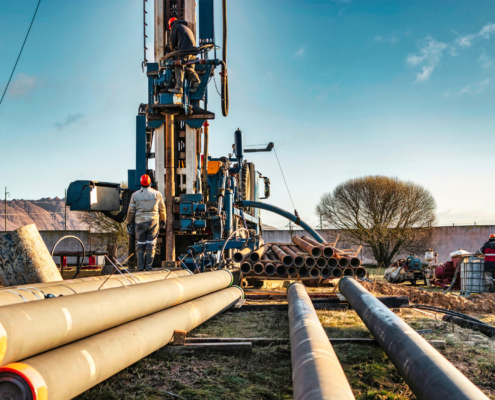
The oil drilling process is a complex operation that involves multiple stages, each with its own requirements for materials and equipment. Selecting the right pipe and steel industrial material for these stages is essential for safety, efficiency, and durability. In this blog, we’ll guide you through the different stages of oil drilling—exploration, production, and transportation—and explain the specific roles of various pipe types and the materials best suited for each stage.
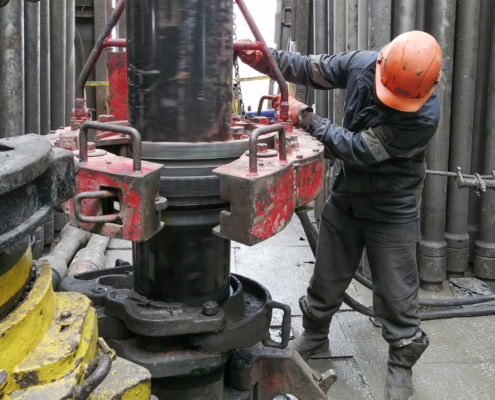
The Role of Pipe and Steel Industrial Material in Oil Drilling

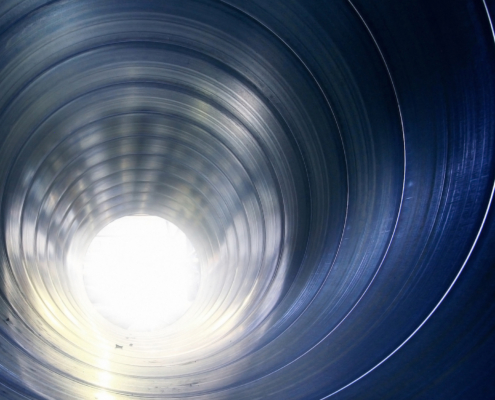
Oil drilling operations rely on steel pipes and materials designed to withstand extreme environmental conditions, including high pressures, temperatures, and corrosive elements. The success of these operations hinges on the careful selection of pipe and steel industrial material that meets the specific demands of each stage. From drill pipes used during exploration to pipelines for transportation, every material serves a critical function in the overall process.

Stage 1: Exploration – Drill Pipes and Their Material Requirements

Exploration is the initial stage of oil drilling, where operators drill deep into the Earth’s surface to locate oil and gas reserves. This phase requires materials that can handle high levels of stress, including rotational torque, tensile strength, and harsh subsurface environments.

Drill Pipes: The Backbone of Exploration

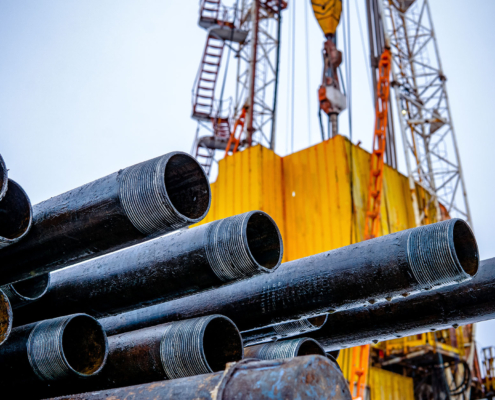
Drill pipes are long, hollow steel pipes that transmit drilling fluid and rotational power to the drill bit. They are subjected to cyclic stress and extreme conditions, making material selection crucial.

Recommended Materials for Drill Pipes

  • High-Strength Steel Alloys (e.g., S-135): These materials offer exceptional tensile strength and fatigue resistance, ensuring durability under high loads.
  • Corrosion-Resistant Coatings: Applying protective coatings can enhance the longevity of drill pipes in corrosive environments.
  • Heat-Treated Steel: Heat-treated steel grades improve toughness and resistance to cracking under high temperatures.

Stage 2: Production – Casing and Tubing Pipes

Once oil reserves are located, the production stage begins. This phase involves extracting oil from the reservoir and bringing it to the surface. Casing and tubing pipes play a vital role in maintaining well integrity and facilitating fluid flow.

Casing Pipes: Supporting Well Integrity

Casing pipes are steel pipes installed in the wellbore to stabilize, prevent collapse, and isolate different pressure zones. These pipes must withstand both internal and external pressures.

Recommended Materials for Casing Pipes

  • Carbon Steel (API 5CT Grades): Carbon steel is ideal for less corrosive environments and is widely used for casing due to its strength and affordability.
  • Chrome-Alloyed Steel: Chrome-alloyed steel offers enhanced performance for wells with high temperatures or corrosive elements.
  • Dual-Grade Materials: Combining two steel grades can provide added flexibility and durability in high-stress applications.

Tubing Pipes: Facilitating Oil Flow

Tubing pipes transport oil and gas from the reservoir to the surface. These pipes are smaller in diameter than casing pipes and are exposed to high-pressure and high-temperature conditions.

Recommended Materials for Tubing Pipes

  • Stainless Steel (304 or 316): Resistant to corrosion and scaling, stainless steel is suitable for tubing in sour gas and saline environments.
  • Nickel Alloys: These materials excel in high hydrogen sulfide (H2S) content environments.
  • Seamless Steel Pipes: Seamless tubing ensures uniform strength, minimizing the risk of failure under extreme pressure.

Stage 3: Transportation – Pipelines and Steel Material Selection

The final stage of oil drilling involves transporting the extracted oil and gas to refineries or storage facilities. Pipelines are the most efficient method for large-scale transportation, but they require robust pipe and steel industrial material to handle long-distance transit and environmental challenges.

Transmission Pipelines: The Lifeline of Transportation

Transmission pipelines carry oil and gas across vast distances. They must resist external damage, environmental corrosion, and operational wear and tear.

Recommended Materials for Transmission Pipelines

  • High-Strength Carbon Steel (API 5L): Ideal for its strength, durability, and cost-effectiveness, this material is widely used in pipeline construction.
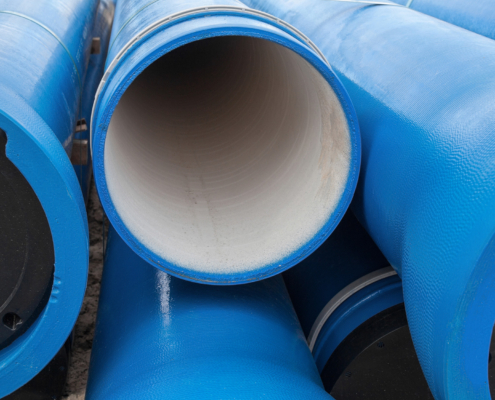
  • Polymer-Lined Steel: Adding a polymer lining reduces friction and protects against internal corrosion.
  • Composite Materials: Advanced composite materials combine steel and polymers for enhanced performance in extreme environments.

Distribution Pipelines: Connecting Refineries and End Users

Distribution pipelines transport processed oil and gas from refineries to end users. They often pass through urban and suburban environments and require durable and environmentally safe materials.

Recommended Materials for Distribution Pipelines

  • Ductile Iron: Suitable for shorter distances and lower-pressure applications.
  • Galvanized Steel: Provides added protection against external corrosion.
  • Multi-Layered Coatings: Combining steel with multi-layer coatings ensures durability in varied terrains.

SPP understands the critical role that quality pipe and steel industrial material plays in the oil drilling process. We provide industry-leading solutions tailored to your operation’s needs

Our Pipe and Tube Supply

Key Factors to Consider When Selecting Pipe and Steel Industrial Material

Selecting the right pipe and steel industrial material for oil drilling requires a thorough understanding of the operational environment and project-specific demands. Here are key factors to consider:

Environmental Conditions

Corrosive elements like hydrogen sulfide (H2S), carbon dioxide (CO2), and saline water impact material selection. Use corrosion-resistant materials for such conditions.

Pressure and Temperature

Pipes must withstand the pressure and temperature conditions of the drilling environment. High-pressure environments require materials with excellent tensile strength, while high-temperature conditions call for heat-resistant alloys.

Load-Bearing Capacity

From drill pipes to transmission pipelines, load-bearing capacity is crucial. Materials should handle axial and bending loads without deforming or failing.

Longevity and Maintenance

Investing in high-quality materials with lower maintenance requirements ensures long-term cost savings and operational reliability.

Signs You May Be Using the Wrong Steel Pipe at Certain Points in the Drilling Process

Choosing the right steel pipe for each stage of the drilling process is crucial to maintaining efficiency, safety, and cost-effectiveness. Using the wrong pipe can lead to operational issues, increased expenses, and even safety hazards. Below are signs that your current steel pipe may not be suitable for the task at hand:

  • Your pipes are experiencing premature wear, cracks, or deformation under high pressure or temperature conditions.
  • Corrosion or rust is rapidly forming, especially in environments with high hydrogen sulfide (H2S) or saline exposure.
  • Pipes are failing to maintain structural integrity during rotational stress or cyclic loading in the exploration phase.
  • Frequent repairs or replacements are disrupting operations and inflating maintenance costs.
  • Reduced flow efficiency is occurring due to scaling or damage to the internal surface of the pipe.
  • You’re noticing inconsistent performance across different environmental conditions, suggesting a mismatch in material properties.

The Benefits of Choosing the Right Pipe and Steel Industrial Material

The right pipe and steel industrial material enhances operational efficiency and minimizes risks. Here are some of the key benefits:

  • Increased Durability: High-quality materials reduce the likelihood of failures, allowing continuous operations.
  • Cost Savings: Proper material selection minimizes maintenance, replacement, and downtime costs.
  • Improved Safety: Reliable materials reduce the risk of accidents caused by equipment failures.
  • Enhanced Environmental Protection: Corrosion-resistant materials prevent leaks and spills, protecting the environment.

Emerging Trends in Pipe and Steel Industrial Material

The oil industry continues to innovate, developing new materials and technologies to improve performance. Some emerging trends include:

  • Smart Pipes: Equipped with sensors, smart pipes monitor real-time conditions, such as pressure and temperature, enabling predictive maintenance.
  • Advanced Alloys: Researchers are developing lightweight yet durable alloys for better performance in challenging environments.
  • Sustainable Materials: Eco-friendly coatings and composite materials are gaining traction for their reduced environmental impact.

SPP: The Go-To Steel Pipe Manufacturer for All Stages of Drilling Operations

When it comes to selecting the right pipe and steel industrial material, Steel Pipe Pros has the expertise and inventory to meet the demands of every stage of oil drilling. We pride ourselves on offering high-quality materials, competitive pricing, and unmatched customer service.

Share This Post

  • Share on Facebook
  • Share on X
  • Share on Pinterest
  • Share on LinkedIn
  • Share on Tumblr
  • Share on Vk
  • Share on Reddit
  • Share by Mail

More Like This

8 Steps to Choosing the Right Agricultural Piping Supplier for Your Farm’s Needs

Industries, Steel Pipe
https://steelpipepros.com/wp-content/uploads/2025/11/8-Steps-to-Choosing-the-Right-Agricultural-Piping-Supplier-for-Your-Farms-Needs.jpg 1250 2000 Abstrakt Marketing /wp-content/uploads/2023/10/Steel-Pipe-Pros-Logo-1.svg Abstrakt Marketing2025-11-12 10:51:342026-08-13 11:01:488 Steps to Choosing the Right Agricultural Piping Supplier for Your Farm’s Needs
How High-Grade Steel Drill Pipe Enhances Oil Drilling Efficiency

How High-Grade Steel Drill Pipe Enhances Oil Drilling Efficiency

Industries
https://steelpipepros.com/wp-content/uploads/2025/01/How-High-Grade-Steel-Drill-Pipe-Enhances-Oil-Drilling-Efficiency.jpg 1250 2000 Abstrakt Marketing /wp-content/uploads/2023/10/Steel-Pipe-Pros-Logo-1.svg Abstrakt Marketing2025-01-23 07:29:292026-08-13 11:01:55How High-Grade Steel Drill Pipe Enhances Oil Drilling Efficiency
Utilizing Steel Material Grades To Eliminate Failures in Oil Drilling

Utilizing Steel Material Grades To Eliminate Failures in Oil Drilling

Industries
https://steelpipepros.com/wp-content/uploads/2025/01/Utilizing-Steel-Material-Grades-To-Eliminate-Failures-in-Oil-Drilling.jpg 1250 2000 Abstrakt Marketing /wp-content/uploads/2023/10/Steel-Pipe-Pros-Logo-1.svg Abstrakt Marketing2025-01-23 07:18:242026-08-13 11:01:56Utilizing Steel Material Grades To Eliminate Failures in Oil Drilling
Stack of new blue pipes

Corrosion-Resistant Pipe: A Key Factor in Oil Drilling

Industries
https://steelpipepros.com/wp-content/uploads/2024/12/Stack-of-new-blue-pipes-tubes.jpg 1250 2000 Abstrakt Marketing /wp-content/uploads/2023/10/Steel-Pipe-Pros-Logo-1.svg Abstrakt Marketing2024-12-04 15:37:072026-08-13 11:01:56Corrosion-Resistant Pipe: A Key Factor in Oil Drilling
Side view of rusty pipes next to oil rig

Analyzing Oil Drill Pipe Applications

Industries
https://steelpipepros.com/wp-content/uploads/2024/12/Side-view-of-rusty-pipes-next-to-oil-rig.jpg 1250 2000 Abstrakt Marketing /wp-content/uploads/2023/10/Steel-Pipe-Pros-Logo-1.svg Abstrakt Marketing2024-12-04 15:22:312026-08-13 11:01:56Analyzing Oil Drill Pipe Applications
Previous Previous Previous Next Next Next

Categories

  • Culvert Pipes
  • Industries
  • Irrigation
  • NRCS
  • NRCS Funding
  • Plumbing
  • Steel Pipe
  • Steel Pipe Purchasing
  • Steel Pipe Selection
  • Tanker Shell Culverts
  • Testing Used Steel
  • Used Steel Pipes

Contact Us

"*" indicates required fields

Location

Address
1536 North Broadway
St. Louis, MO 63102

Get In Touch

Phone
314-325-6181

Email
kyle@steelpipepros.com
brian@steelpipepros.com

Social
LinkedIn

Services

Steel Solutions

Pipe and Tube Supply

Used Steel Pipe

New Surplus Pipe

Tank Shell Culverts

About Us

We are the go-to supplier of steel pipe products and solutions nationwide.

Contact Us
Website by Abstrakt Marketing Group ©
  • Sitemap
  • Privacy Policy
Link to: Utilizing Steel Material Grades To Eliminate Failures in Oil Drilling Link to: Utilizing Steel Material Grades To Eliminate Failures in Oil Drilling Utilizing Steel Material Grades To Eliminate Failures in Oil DrillingUtilizing Steel Material Grades To Eliminate Failures in Oil Drilling Link to: How High-Grade Steel Drill Pipe Enhances Oil Drilling Efficiency Link to: How High-Grade Steel Drill Pipe Enhances Oil Drilling Efficiency How High-Grade Steel Drill Pipe Enhances Oil Drilling EfficiencyHow High-Grade Steel Drill Pipe Enhances Oil Drilling Efficiency
Scroll to top Scroll to top Scroll to top

This site uses cookies. By continuing to browse the site, you are agreeing to our use of cookies.

AcceptLearn more

Cookie and Privacy Settings


How we use cookies

We may request cookies to be set on your device. We use cookies to let us know when you visit our websites, how you interact with us, to enrich your user experience, and to customize your relationship with our website.

Click on the different category headings to find out more. You can also change some of your preferences. Note that blocking some types of cookies may impact your experience on our websites and the services we are able to offer.

Essential Website Cookies

These cookies are strictly necessary to provide you with services available through our website and to use some of its features.

Because these cookies are strictly necessary to deliver the website, refusing them will have impact how our site functions. You always can block or delete cookies by changing your browser settings and force blocking all cookies on this website. But this will always prompt you to accept/refuse cookies when revisiting our site.

We fully respect if you want to refuse cookies but to avoid asking you again and again kindly allow us to store a cookie for that. You are free to opt out any time or opt in for other cookies to get a better experience. If you refuse cookies we will remove all set cookies in our domain.

We provide you with a list of stored cookies on your computer in our domain so you can check what we stored. Due to security reasons we are not able to show or modify cookies from other domains. You can check these in your browser security settings.

Other external services

We also use different external services like Google Webfonts, Google Maps, and external Video providers. Since these providers may collect personal data like your IP address we allow you to block them here. Please be aware that this might heavily reduce the functionality and appearance of our site. Changes will take effect once you reload the page.

Google Webfont Settings:

Google Map Settings:

Google reCaptcha Settings:

Vimeo and Youtube video embeds:

Accept settingsHide notification only