• Steel Solutions
    • Pipe and Tube Supply
      • Used Steel Pipe
      • New Surplus Pipe
    • Tanker Shell Culverts
    • Pumps & Pump Controls
  • Resources
    • Quotes
    • Specials
    • Blog
  • About Us
    • Industries We Serve
      • Agriculture
    • Areas We Serve
      • Arkansas
      • Illinois
      • Louisiana
      • Missouri
  • Contact
  • Menu Menu

How to Cut, Weld and Modify Steel Pipes Safely

Steel pipes are incredibly versatile. Used in countless applications, they stand out for their durability, strength, and adaptability. But what happens when you need to customize them for a specific use? Cutting a steel pipe to size or welding it into a new shape can be challenging. It’s not just about having the right tools; it’s also crucial to follow the right techniques and safety practices. If you’re new to modifying steel pipes or just need a refresher, you’re in the right place.
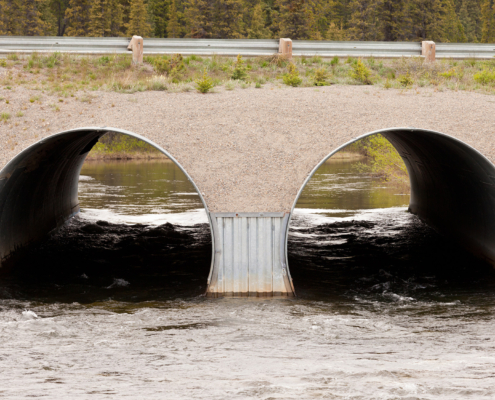
In this blog, we’ll walk you through the essential steps for modifying steel pipes safely. We’ll explore common cutting methods, discuss welding essentials, and provide tips for ensuring that any modifications you make maintain or enhance the integrity of the pipe.

The Basics of Modifying Steel Pipe

Steel pipe modification involves altering the length, shape, or structural features of a pipe to suit a particular requirement. This might range from cutting the pipe down to size for a smaller job to welding multiple sections together for a large-scale project.

Why Proper Modification Matters

When done right, steel pipe modifications can save you both time and money. You can tailor existing or surplus pipes to fit unique specifications, increasing project efficiency. Plus, repurposing used steel pipes is environmentally friendly and often budget-friendly. On the flip side, poor techniques can lead to dangerous structural failures, injuries, or wasted materials.

Essential Safety Precautions

Working with metal can be hazardous if you’re not prepared. High temperatures, sharp edges, and heavy materials all contribute to potential risks. Here’s a brief overview of safety tips for welding or cutting used steel.

Personal Protective Equipment (PPE)

No matter how big or small the job, PPE is non-negotiable. You’ll want:

  • Eye and Face Protection: Always wear safety goggles and, if welding, a proper welding helmet to guard against sparks, metal fragments, and intense light.
  • Gloves: Heavy-duty work gloves help protect against cuts, burns, and abrasions, especially when handling used steel pipes that might have sharp edges.
  • Hearing Protection: Cutting or grinding metal can be quite loud, so earplugs or earmuffs are a must to protect your hearing.
  • Protective Clothing: Wear non-flammable, long-sleeved shirts and pants. Welding jackets are recommended for extended sessions.
  • Respiratory Protection: When cutting or grinding steel, particles and fumes can become airborne. A respirator or dust mask helps keep harmful substances out of your lungs.

Workspace Preparation

Make sure you have a clean, organized workspace. Clutter hampers efficiency and can be a tripping or fire hazard. Keep flammable materials like paper, wood, or chemicals away from your work area. If you’re welding, make sure there’s proper ventilation; welding fumes can be harmful if you’re in an enclosed space.

Modification Techniques: Cutting Steel Pipes

Most modifications begin with cutting the pipe to the desired length or removing sections for easier transport and assembly. There are several methods and tools you can use, depending on what’s available and the precision you need.

A Glimpse into Cutting Methods

No matter the tool, consistency and patience are key. Rushing the cut jeopardizes accuracy, can damage equipment, and creates safety risks.

  • Hacksaw: A hacksaw is a classic, manual option for cutting steel pipes. It’s ideal for thin-walled pipes or smaller jobs. While it requires more elbow grease, a hacksaw offers high control over the cut and minimal equipment cost. Just be sure to use a blade designed for cutting metal and keep it taut in the saw frame.
  • Angle Grinder: An angle grinder with a metal-cutting disc is a popular choice for larger pipes. It’s faster than a hacksaw but demands caution—sparks fly, and the spinning disc can be dangerous if mishandled. Always ensure the grinder is firmly held and the pipe is secured in a vise or clamp.
  • Chop Saw (Metal-Cutting Saw): A chop saw specifically designed for metal is another efficient option. It offers more precise, straight cuts compared to an angle grinder. This is useful when you’re working on multiple pipes and need uniform lengths. When using a chop saw, wear a face shield in addition to your safety goggles.
  • Oxy-Acetylene Torch or Plasma Cutter: For thicker steel or complex cuts, an oxy-acetylene torch or plasma cutter can be employed. While these methods require specialized training and equipment, they offer speed and precision when working with large-diameter or heavy-gauge pipes.

Welding Steel Pipes: Safety and Best Practices

Welding fuses two pieces of metal by melting them at the joint and adding a filler material. It creates a permanent bond that can withstand significant stress and pressure. However, welding steel pipes requires attention to detail, especially if the pipes were previously used in demanding environments.

Common Welding Methods for Steel Pipes

  • Stick Welding (SMAW): A versatile and relatively straightforward method that uses an electrode “stick” coated in flux. It’s well-suited for outdoor or windy conditions.
  • MIG Welding (GMAW): Uses a wire-fed gun and shielding gas for cleaner, easier welds. This process is often faster and simpler to learn for beginners.
  • TIG Welding (GTAW): Offers high precision and is excellent for thin-walled or small-diameter pipes. However, it’s slower and demands more skill than MIG or stick welding.

Preparing the Pipe for Welding

  • Clean the Surface: Remove rust, paint, or other contaminants with a wire brush, grinder, or sandpaper. A clean surface ensures the weld can properly fuse the metal.
  • Ensure Proper Fit-Up: Align the pipes carefully so the edges meet snugly.
  • Check for Damaged Sections: Inspect used pipes for cracks, dents, or severe corrosion that could compromise the weld. Replace sections if needed.

The Welding Technique

Smooth, even travel speed and consistent electrode or torch positioning are key. Avoid “weaving” too widely, as that can create weak spots. In many cases, multiple passes deliver the strongest bond. Once finished, allow the weld to cool slowly; quenching it in water can lead to brittleness.

Steel Pipe Pros is here to help. Our dedicated team offers guidance, insider tips, and a wide inventory of top-notch steel pipes.

Our Steel Solutions

When to Consult a Professional

While DIY approaches can often handle basic modifications, there are times when you should call in an expert.

  • High-Pressure Systems: Pipes carrying pressurized fluids or gases demand an expert weld to prevent leaks or catastrophic failures.
  • Structural Support: If the pipe will be part of a building’s framework or an overhead structure, it’s best to use certified welders and follow local building codes.
  • Complex Bends or Designs: A professional fabricator can help avoid costly mistakes when intricate angles or advanced bending techniques are required.

Professionals like SPP have the experience, certifications, and tools to ensure every cut, weld, and bend is safe and up to industry standards.

Stay Safe and Enhance Your Project With Steel Pipe Pros

Cutting, welding, and modifying steel pipes safely comes down to having the right knowledge, tools, and respect for basic safety practices. By following recommended guidelines, you can extend the life of any steel pipe, new or used, without compromising its strength or function. If you’re unsure about your approach or need specialized services, don’t hesitate to seek professional advice. Steel Pipe Pros is your go-to partner for durable, high-quality used steel pipes and expert guidance on all modification steps. Reach out today!

Share This Post

  • Share on Facebook
  • Share on X
  • Share on Pinterest
  • Share on LinkedIn
  • Share on Tumblr
  • Share on Vk
  • Share on Reddit
  • Share by Mail

More Like This

Buying Used Steel Culvert Pipes: What to Inspect Before You Purchase

Steel Pipe, Used Steel Pipes
https://steelpipepros.com/wp-content/uploads/2025/10/Buying-Used-Steel-Culvert-Pipes_-What-to-Inspect-Before-You-Purchase.jpg 1250 2000 Abstrakt Marketing /wp-content/uploads/2023/10/Steel-Pipe-Pros-Logo-1.svg Abstrakt Marketing2025-10-10 11:29:392026-08-13 11:01:49Buying Used Steel Culvert Pipes: What to Inspect Before You Purchase
Industrial Uses and Applications for Used Steel Pipes: Benefits and Considerations

Industrial Uses and Applications for Used Steel Pipes: Benefits and Considerations

Used Steel Pipes
https://steelpipepros.com/wp-content/uploads/2025/07/Industrial-Uses-and-Applications-for-Used-Steel-Pipes-Benefits-and-Considerations.jpg 1250 2000 Abstrakt Marketing /wp-content/uploads/2023/10/Steel-Pipe-Pros-Logo-1.svg Abstrakt Marketing2025-07-09 06:52:092026-08-13 11:01:51Industrial Uses and Applications for Used Steel Pipes: Benefits and Considerations

Best Practices for Inspecting Used Steel Pipes Before Purchase

Used Steel Pipes
https://steelpipepros.com/wp-content/uploads/2025/07/Best-Practices-for-Inspecting-Used-Steel-Pipes-Before-Purchase.jpg 1250 2000 Abstrakt Marketing /wp-content/uploads/2023/10/Steel-Pipe-Pros-Logo-1.svg Abstrakt Marketing2025-07-09 06:39:592026-08-13 11:01:51Best Practices for Inspecting Used Steel Pipes Before Purchase

Properly Storing Used Steel Pipes to Maintain Their Quality

Used Steel Pipes
https://steelpipepros.com/wp-content/uploads/2025/07/Stacked-steel-pipes.jpg 1250 2000 Abstrakt Marketing /wp-content/uploads/2023/10/Steel-Pipe-Pros-Logo-1.svg Abstrakt Marketing2025-07-08 09:08:462026-08-13 11:01:51Properly Storing Used Steel Pipes to Maintain Their Quality

The Steel Price Impact: Analyzing the Value of Used Options on the Market

Used Steel Pipes
https://steelpipepros.com/wp-content/uploads/2025/04/Interior-View-of-Steel-Factory.jpg 1250 2000 Abstrakt Marketing /wp-content/uploads/2023/10/Steel-Pipe-Pros-Logo-1.svg Abstrakt Marketing2025-04-28 08:01:132026-08-13 11:01:53The Steel Price Impact: Analyzing the Value of Used Options on the Market
The Used Steel Pipe Lifecycle: From Manufacturing to Repurposing

The Used Steel Pipe Lifecycle: From Manufacturing to Repurposing

Used Steel Pipes
https://steelpipepros.com/wp-content/uploads/2025/04/The-Used-Steel-Pipe-Lifecycle-From-Manufacturing-to-Repurposing.jpg 1250 2000 Abstrakt Marketing /wp-content/uploads/2023/10/Steel-Pipe-Pros-Logo-1.svg Abstrakt Marketing2025-04-07 15:22:182026-08-13 11:01:54The Used Steel Pipe Lifecycle: From Manufacturing to Repurposing
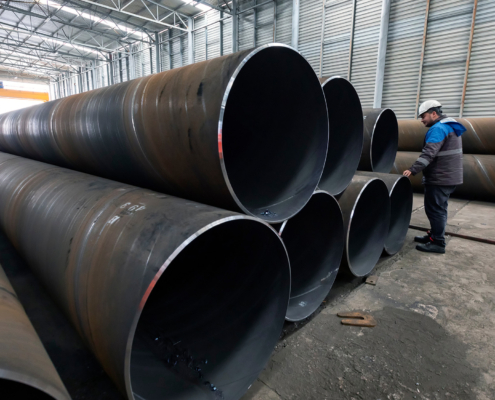
Spiral pipes. Spiral-welded pipe is produced from coils of steel

Repurposing Used Steel Piping: Endless Possibilities for Every Project

Used Steel Pipes
https://steelpipepros.com/wp-content/uploads/2025/03/Spiral-pipes.-Spiral-welded-pipe-is-produced-from-coils-of-steel.jpg 1250 2000 Abstrakt Marketing /wp-content/uploads/2023/10/Steel-Pipe-Pros-Logo-1.svg Abstrakt Marketing2025-03-05 11:42:002026-08-13 11:01:54Repurposing Used Steel Piping: Endless Possibilities for Every Project
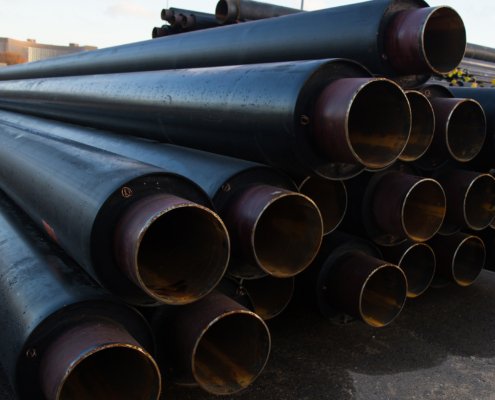
Large black steel pipe with heat insulation on the construction site in a plastic tube wrapper lying on the pavement

The Hidden Costs of Buying Cheap Used Steel Piping

Used Steel Pipes
https://steelpipepros.com/wp-content/uploads/2025/03/Large-black-steel-pipe-with-heat-insulation-on-the-construction-site-in-a-plastic-tube-wrapper-lying-on-the-pavement.jpg 1250 2000 Abstrakt Marketing /wp-content/uploads/2023/10/Steel-Pipe-Pros-Logo-1.svg Abstrakt Marketing2025-03-05 11:35:472026-08-13 11:01:54The Hidden Costs of Buying Cheap Used Steel Piping
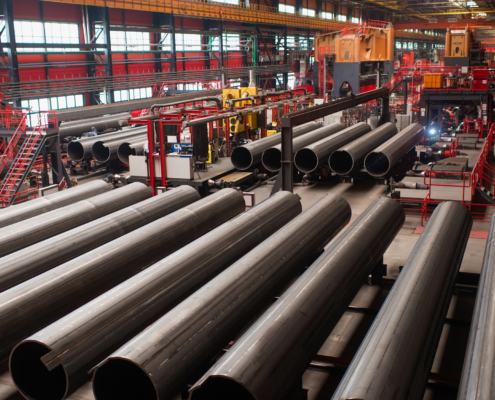
Manufacture of large diameter pipes

How to Calculate Used Steel Piping for Your Project

Used Steel Pipes
https://steelpipepros.com/wp-content/uploads/2025/03/Manufacture-of-large-diameter-pipes.jpg 1250 2000 Abstrakt Marketing /wp-content/uploads/2023/10/Steel-Pipe-Pros-Logo-1.svg Abstrakt Marketing2025-03-05 11:26:132026-08-13 11:01:54How to Calculate Used Steel Piping for Your Project
Previous Previous Previous Next Next Next

Categories

  • Culvert Pipes
  • Industries
  • Irrigation
  • NRCS
  • NRCS Funding
  • Plumbing
  • Steel Pipe
  • Steel Pipe Purchasing
  • Steel Pipe Selection
  • Tanker Shell Culverts
  • Testing Used Steel
  • Used Steel Pipes

Contact Us

"*" indicates required fields

Location

Address
1536 North Broadway
St. Louis, MO 63102

Get In Touch

Phone
314-325-6181

Email
kyle@steelpipepros.com
brian@steelpipepros.com

Social
LinkedIn

Services

Steel Solutions

Pipe and Tube Supply

Used Steel Pipe

New Surplus Pipe

Tank Shell Culverts

About Us

We are the go-to supplier of steel pipe products and solutions nationwide.

Contact Us
Website by Abstrakt Marketing Group ©
  • Sitemap
  • Privacy Policy
Link to: The Used Steel Pipe Lifecycle: From Manufacturing to Repurposing Link to: The Used Steel Pipe Lifecycle: From Manufacturing to Repurposing The Used Steel Pipe Lifecycle: From Manufacturing to RepurposingThe Used Steel Pipe Lifecycle: From Manufacturing to Repurposing Link to: The Steel Price Impact: Analyzing the Value of Used Options on the Market Link to: The Steel Price Impact: Analyzing the Value of Used Options on the Market The Steel Price Impact: Analyzing the Value of Used Options on the Market
Scroll to top Scroll to top Scroll to top

This site uses cookies. By continuing to browse the site, you are agreeing to our use of cookies.

AcceptLearn more

Cookie and Privacy Settings


How we use cookies

We may request cookies to be set on your device. We use cookies to let us know when you visit our websites, how you interact with us, to enrich your user experience, and to customize your relationship with our website.

Click on the different category headings to find out more. You can also change some of your preferences. Note that blocking some types of cookies may impact your experience on our websites and the services we are able to offer.

Essential Website Cookies

These cookies are strictly necessary to provide you with services available through our website and to use some of its features.

Because these cookies are strictly necessary to deliver the website, refusing them will have impact how our site functions. You always can block or delete cookies by changing your browser settings and force blocking all cookies on this website. But this will always prompt you to accept/refuse cookies when revisiting our site.

We fully respect if you want to refuse cookies but to avoid asking you again and again kindly allow us to store a cookie for that. You are free to opt out any time or opt in for other cookies to get a better experience. If you refuse cookies we will remove all set cookies in our domain.

We provide you with a list of stored cookies on your computer in our domain so you can check what we stored. Due to security reasons we are not able to show or modify cookies from other domains. You can check these in your browser security settings.

Other external services

We also use different external services like Google Webfonts, Google Maps, and external Video providers. Since these providers may collect personal data like your IP address we allow you to block them here. Please be aware that this might heavily reduce the functionality and appearance of our site. Changes will take effect once you reload the page.

Google Webfont Settings:

Google Map Settings:

Google reCaptcha Settings:

Vimeo and Youtube video embeds:

Accept settingsHide notification only